How to Identify aYellow-rumped Warbler
Setophaga coronata · 4.7–5.9 in (12–15 cm)
Male vs. female
Male
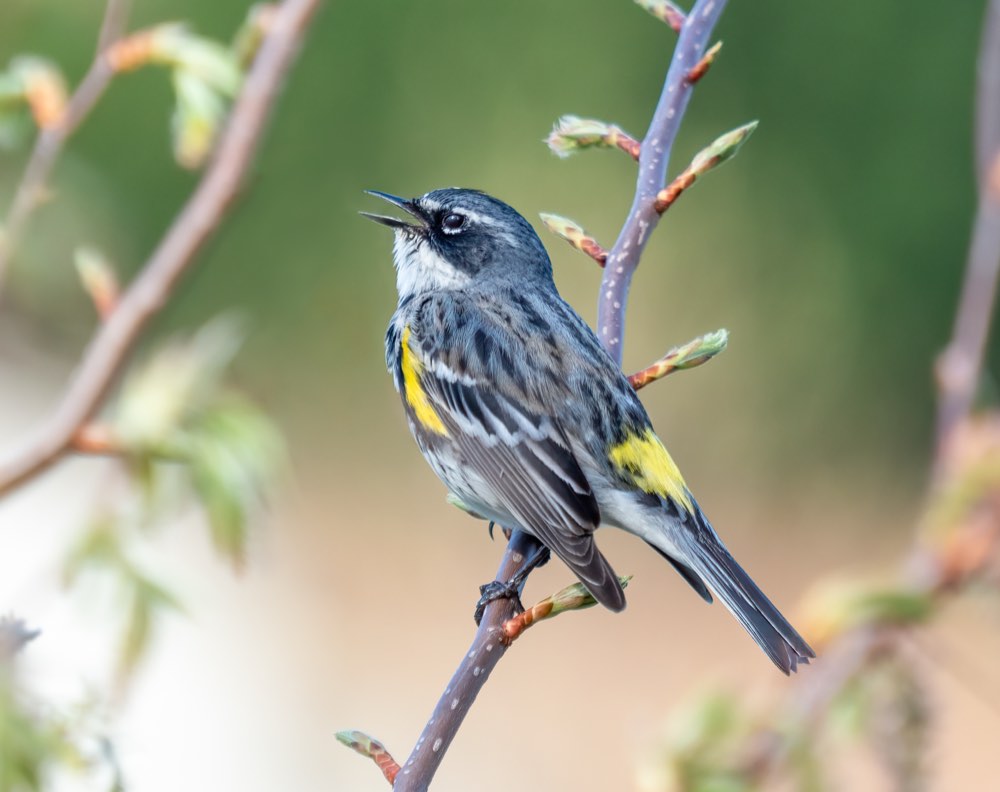
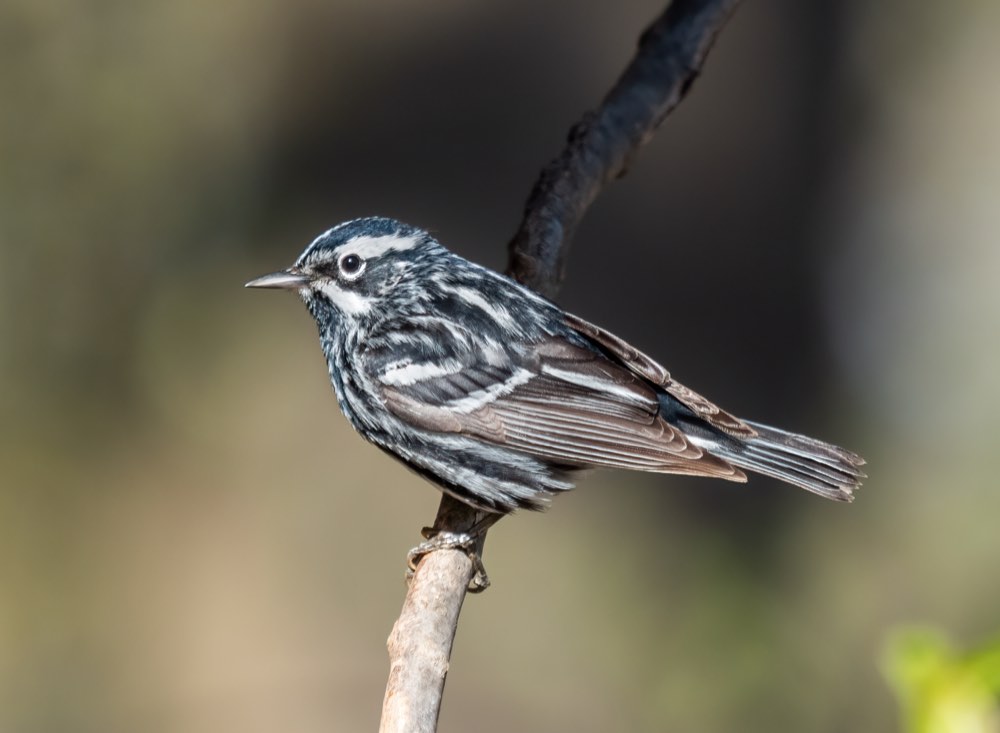
Breeding males blue-gray with black chest streaking and yellow patches on the crown, sides and rump; winter birds duller brown.
Female
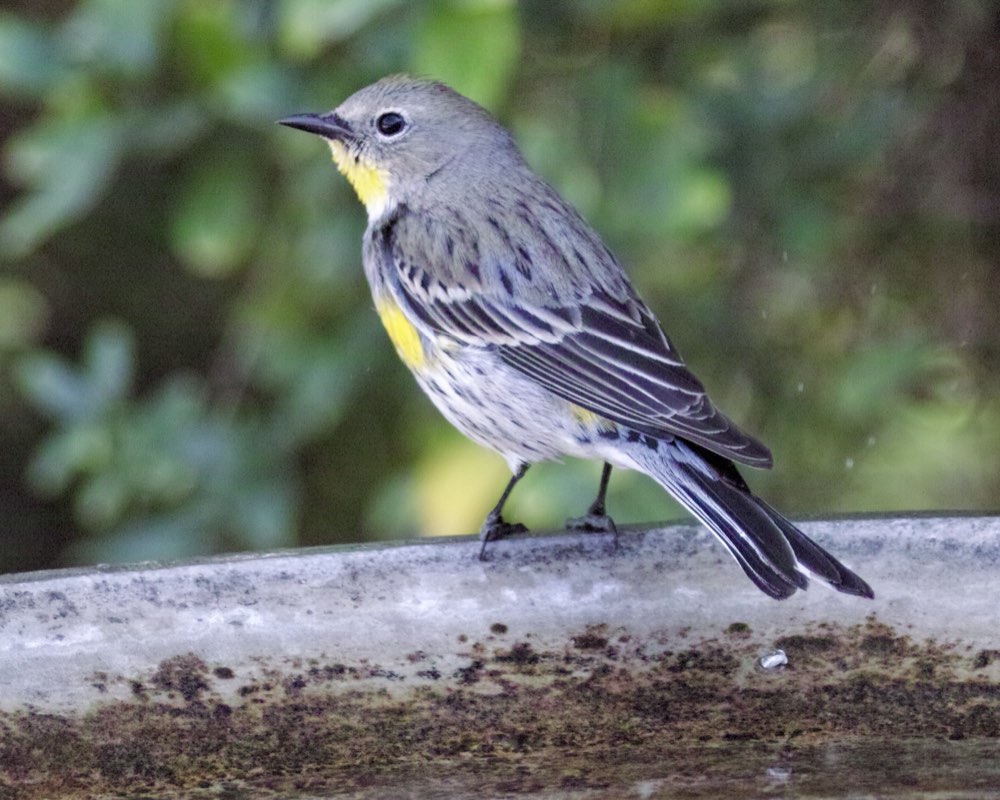
Browner and softer-patterned than the male but with the same yellow rump and side patches.
Male photo: Rhododendrites / Wikimedia, CC BY-SA 4.0 · Second photo: Mike's Birds from Riverside, CA, US / Wikimedia, CC BY-SA 2.0
Field marks
- Bright yellow rump patch visible whenever the bird flies
- Yellow patches on each side of the breast
- Streaked flanks and a broken white eye-ring
- White throat in eastern birds, yellow in western ones
Similar species
What it sounds like
A loose, soft trill that rises or falls at the end, and a sharp distinctive "check" call constantly given in winter flocks.
Behaviour that gives it away
Digests the wax in bayberries and wax myrtle, which almost no other warbler can — the reason it winters far north of the rest of its family.
Habitat & range
Breeds in northern and mountain conifer forest; winters abundantly in woods, thickets, dunes and yards across the southern states.
When you'll see it
Depending on where in North America you are, it is a winter visitor and a passage migrant, seen mainly in spring and autumn.
What it eats
Insects in summer, and berries — especially bayberry and wax myrtle — through the winter.
Did you know?
Its wax-digesting ability lets it winter hundreds of miles further north than any other warbler.
Spot one yourself?
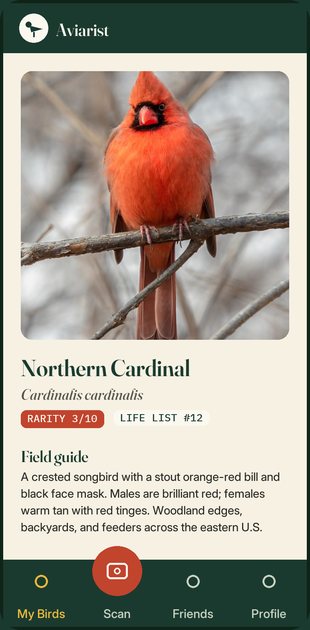
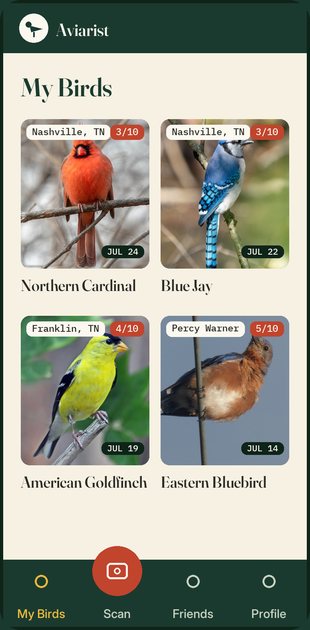
Point your camera at any bird and Aviarist identifies it in seconds — then logs it to your life list.
Get Aviarist on Google Play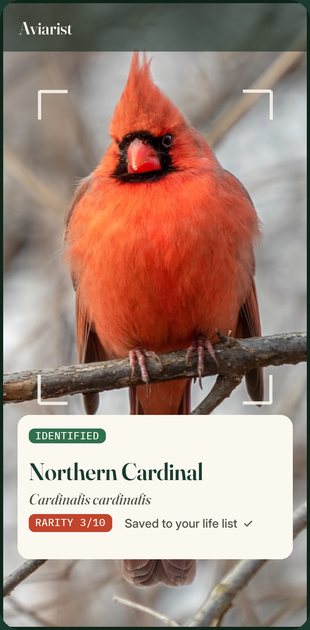
More backyard birds
_(cropped).jpg)
.jpg)
Other apps we make