How to Identify aBlack-and-white Warbler
Mniotilta varia · 4.3–5.1 in (11–13 cm)
Male vs. female
Male
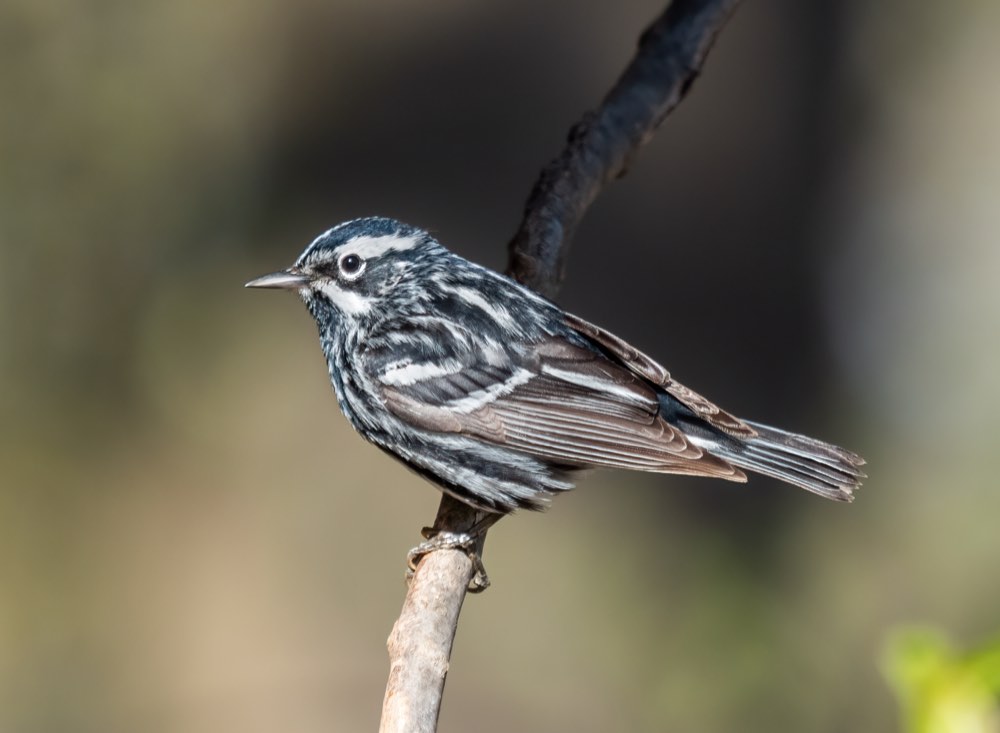
Striped black and white from crown to tail, with a black throat and heavily streaked flanks.
Female
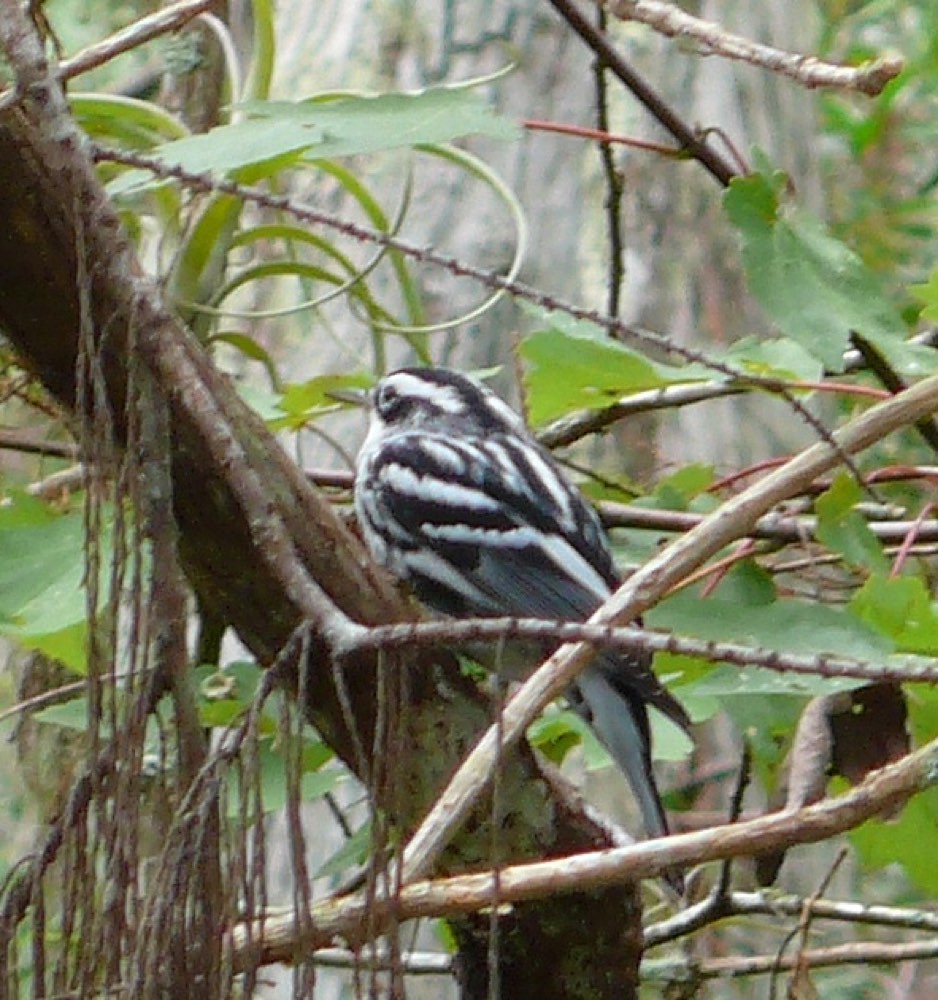
Same striped pattern but with a white throat and softer gray streaking below.
Male photo: Rhododendrites / Wikimedia, CC BY-SA 4.0 · Second photo: rm25 / Wikimedia, CC BY-SA 2.5
Field marks
- Black and white stripes running lengthwise over the entire bird
- Striped crown with a white central stripe
- Long, slightly downcurved bill for a warbler
- Creeps along bark rather than flitting among leaves
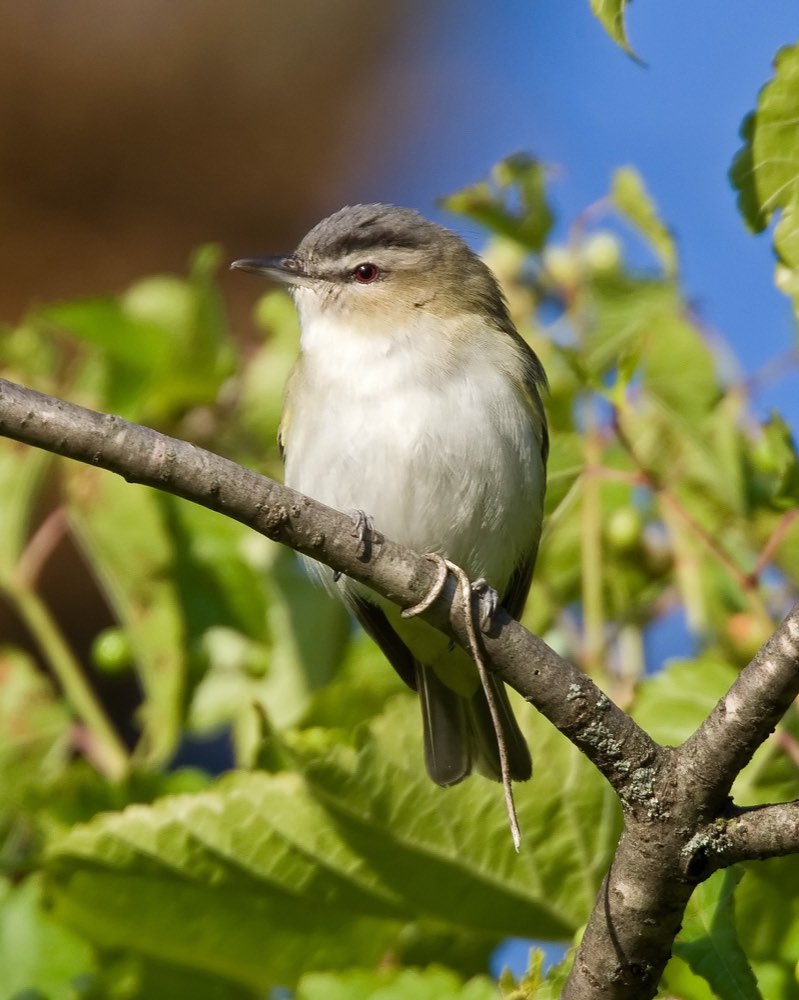
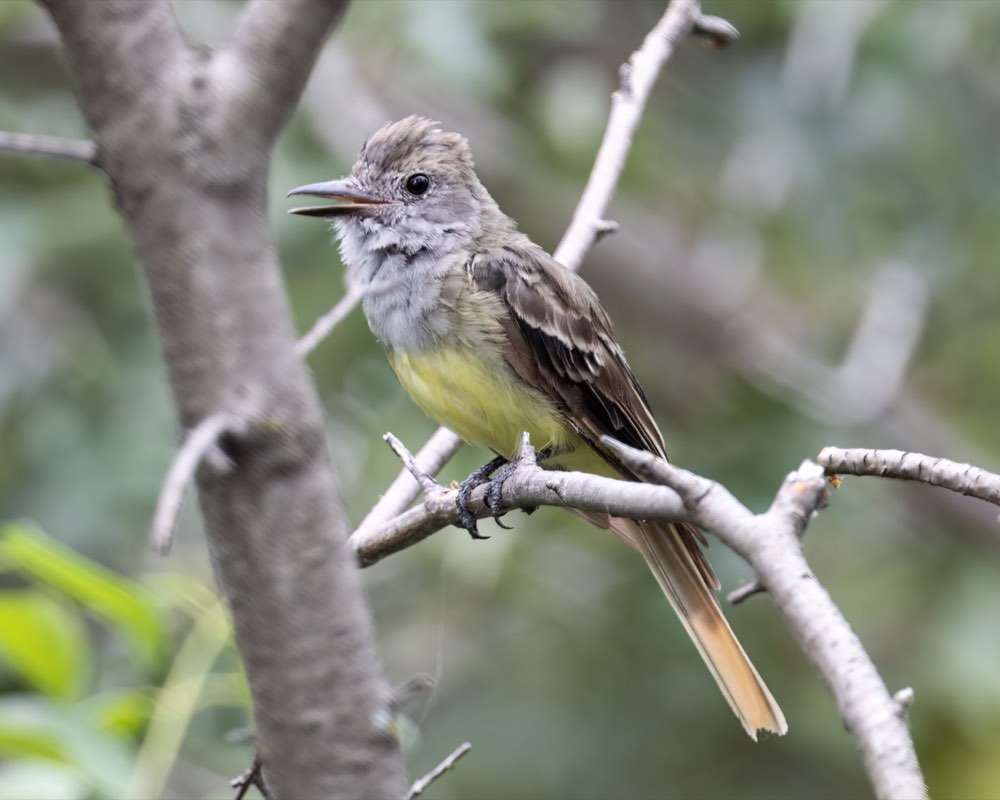
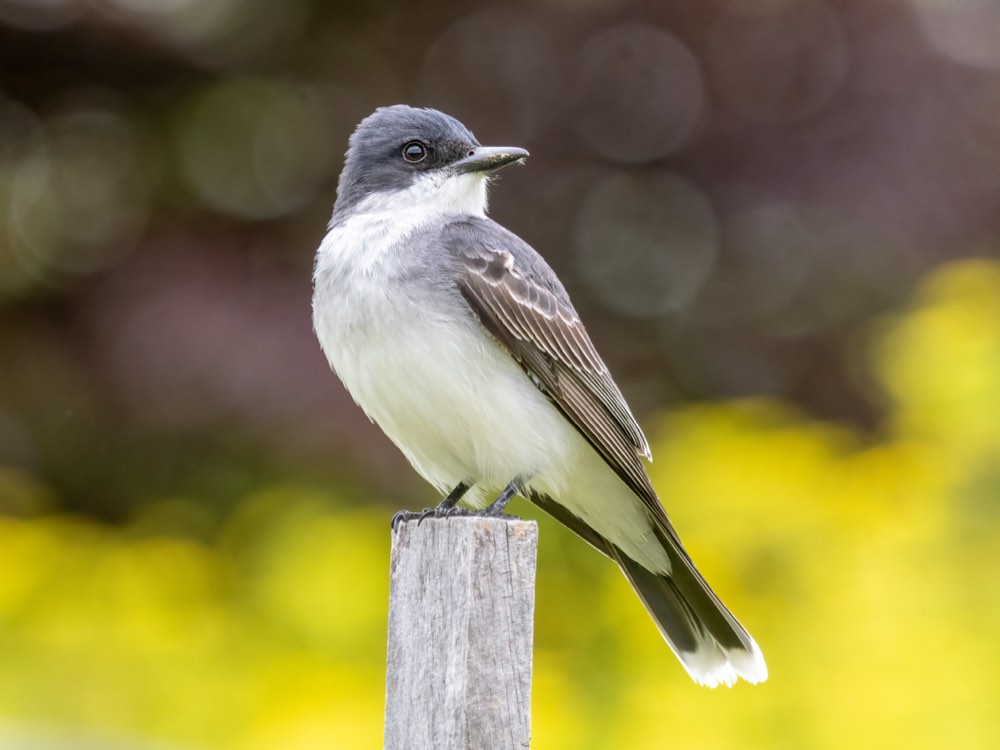
Similar species
What it sounds like
A thin, high, squeaky "wee-see wee-see wee-see" repeated like a rusty wheel turning.
Behaviour that gives it away
Forages by walking along trunks and large limbs probing bark, a niche no other warbler occupies, and has an extra-long hind claw for gripping.
Habitat & range
Mature deciduous and mixed forest across the eastern and northern United States and Canada in summer.
When you'll see it
Depending on where in eastern, central and northern North America you are, it is a summer visitor that arrives to breed and a passage migrant, seen mainly in spring and autumn.
What it eats
Insects and spiders picked from bark crevices, especially caterpillars.
Did you know?
It is one of the earliest warblers to arrive in spring, because bark insects are available before the leaves and their caterpillars appear.
Spot one yourself?
Point your camera at any bird and Aviarist identifies it in seconds — then logs it to your life list.
Get Aviarist on Google Play
More backyard birds
2.jpg)
,_in_Corkscrew_Swamp_Sanctuary.jpg)
Other apps we make