How to Identify aGreat Egret
Ardea alba · 37–41 in (94–104 cm)
Male vs. female
Male
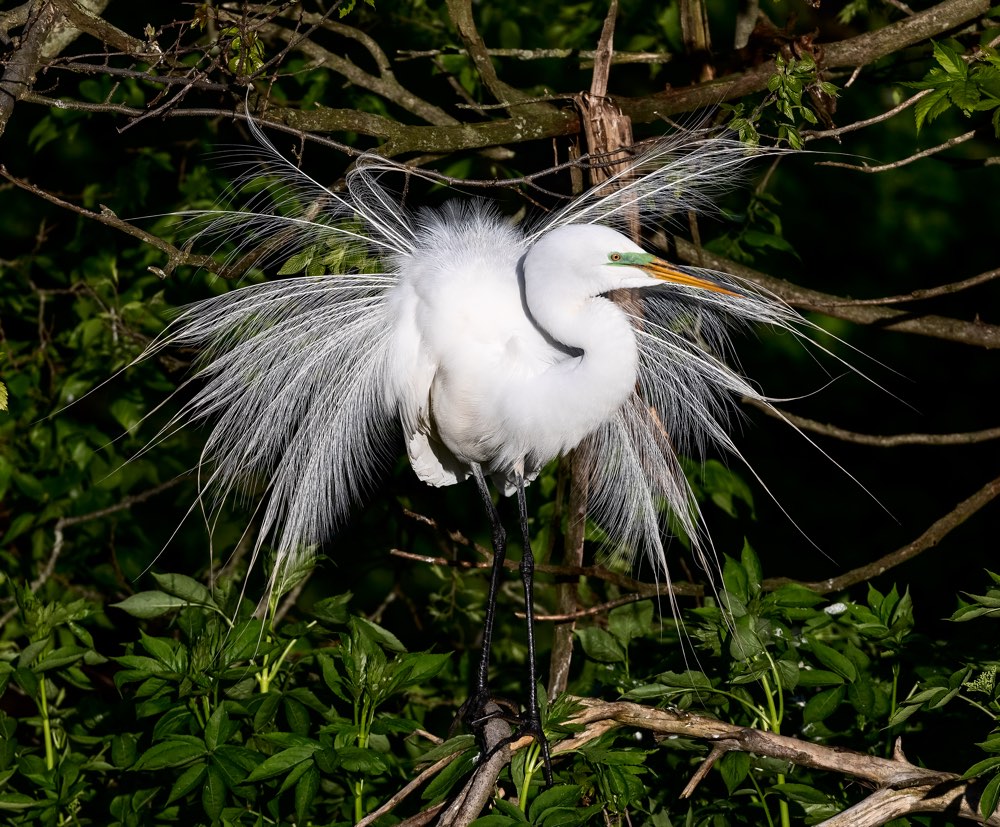
Entirely white with a heavy yellow-orange bill and black legs and feet; long lacy back plumes when breeding. Sexes look alike.
Female
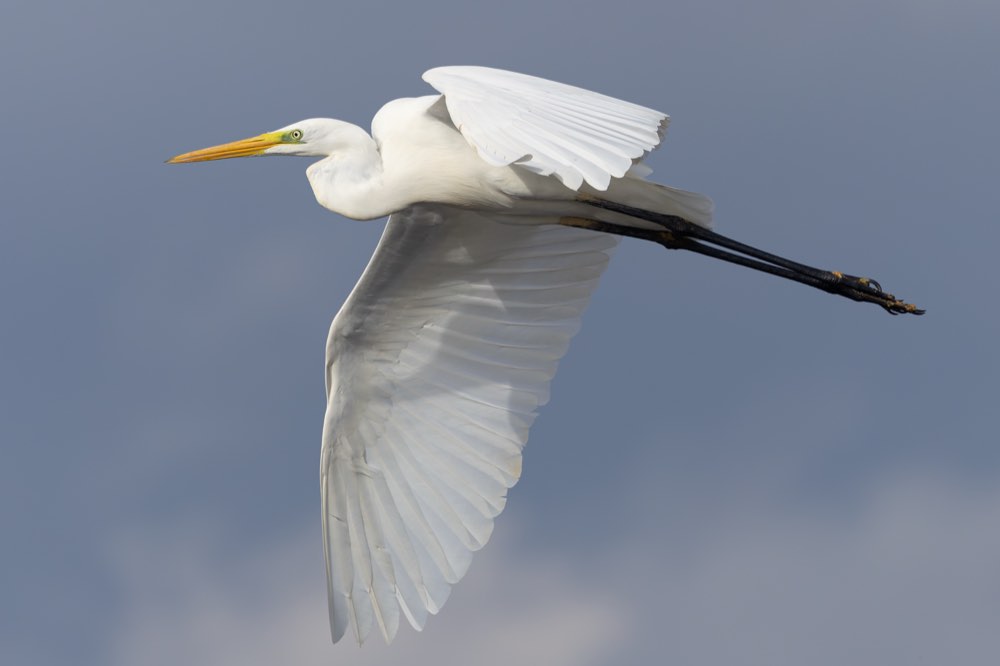
Identical to the male in the field.
Male photo: Chuck Homler (FocusOnWildlife.Me) / Wikimedia, CC BY-SA 4.0 · Second photo: Hobbyfotowiki / Wikimedia, CC0
Field marks
- All-white plumage with a yellow bill
- Black legs and black feet
- Long S-curved neck held folded in flight
- Trailing lacy plumes across the back in breeding season
Similar species
What it sounds like
A low, harsh croak, usually given when flushed or at the colony.
Behaviour that gives it away
Hunts by standing motionless or walking with extreme slowness, then striking with a sudden thrust of the neck.
Habitat & range
Marshes, ponds, tidal flats, lakeshores and flooded fields across much of the United States.
When you'll see it
Depending on where in North America you are, it is present all year and a summer visitor that arrives to breed.
What it eats
Fish, frogs, crayfish, insects and small mammals taken with a rapid strike.
Did you know?
Plume hunting for the millinery trade nearly wiped it out, and the campaign to save it led to the founding of the Audubon movement — which still uses the bird as its symbol.
Spot one yourself?
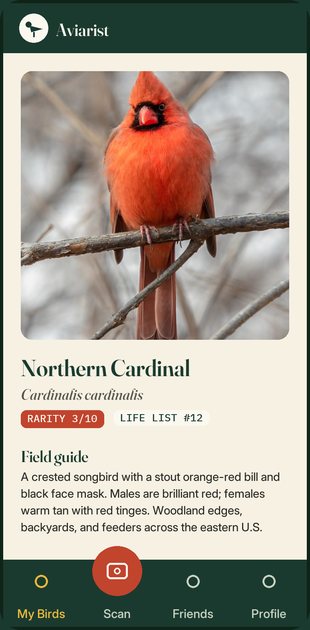
Point your camera at any bird and Aviarist identifies it in seconds — then logs it to your life list.
Get Aviarist on Google Play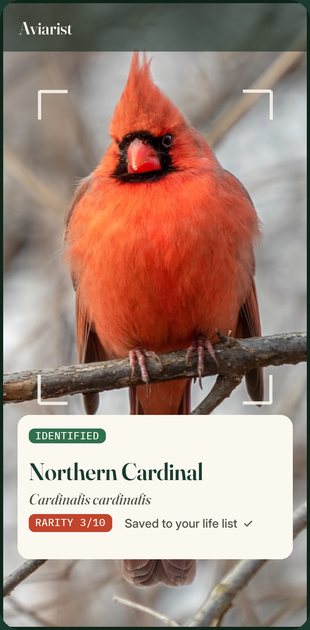
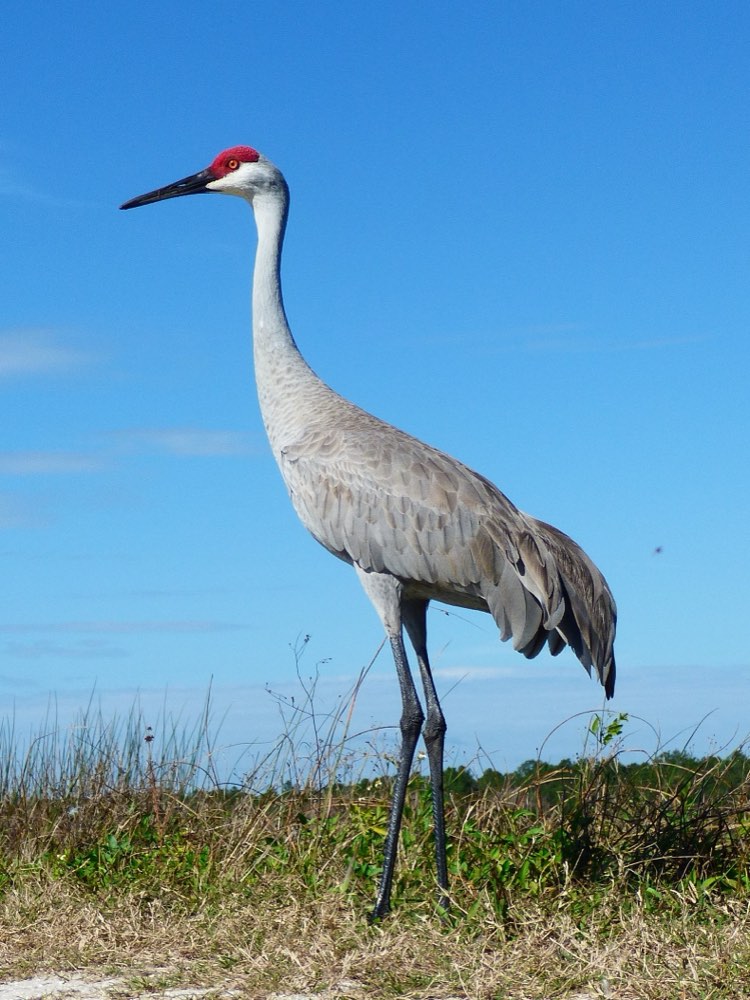
More backyard birds

_in_Breeding_Plumage,_Cape_May_County,_New_Jersey,_USA_(cropped).png)
_at_Federsee,_Germany)_at_Federsee.jpg)
Other apps we make