How to Identify aCarolina Chickadee
Poecile carolinensis · 4.5–5.1 in (11.5–13 cm)
Male vs. female
Male
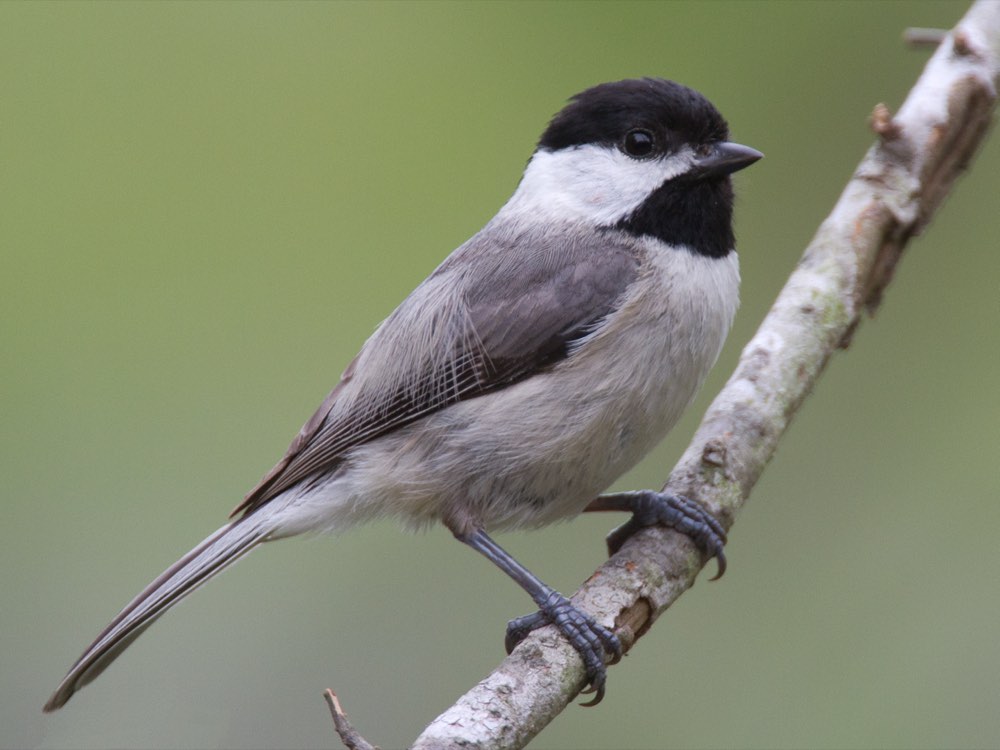
Black cap and bib, white cheeks, soft gray back, pale buff-washed sides. Sexes look alike.
Female
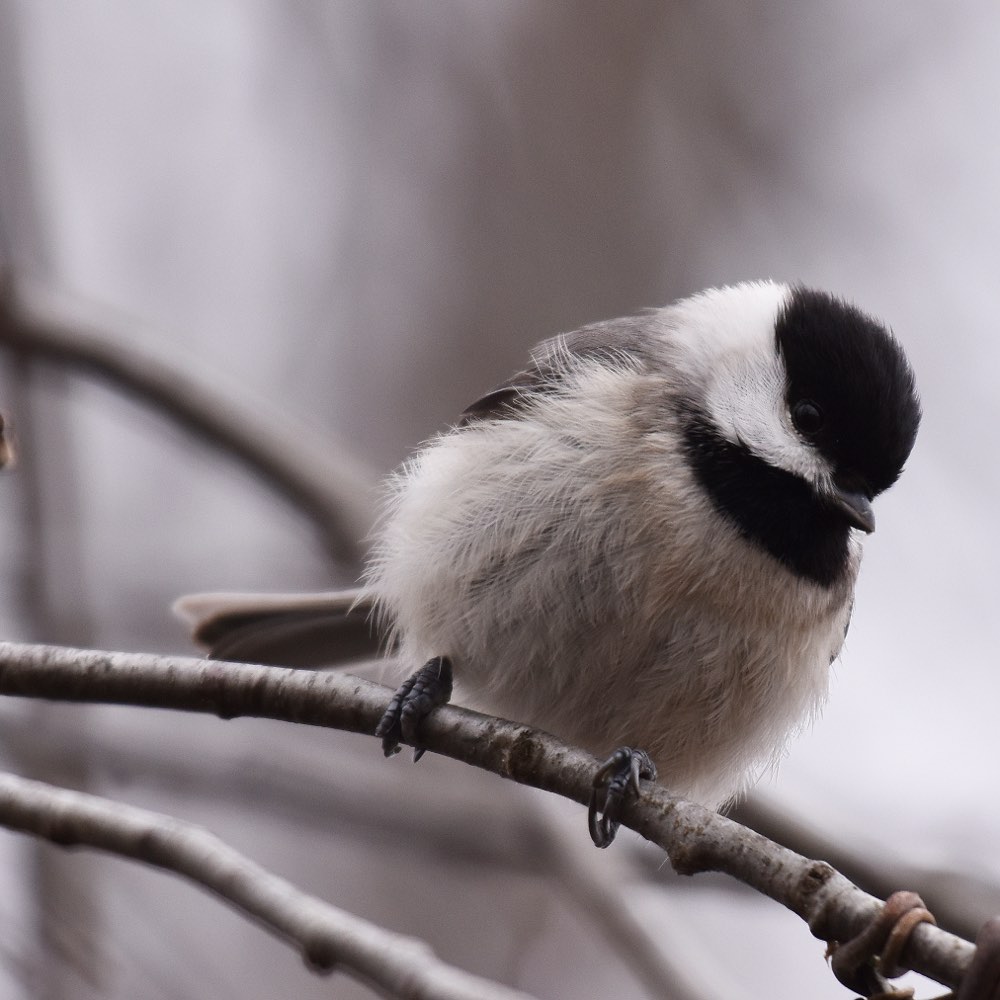
Identical to the male in the field; the sexes cannot be reliably separated by plumage.
Male photo: Dan Pancamo / Wikimedia, CC BY-SA 2.0 · Second photo: lwolfartist / Wikimedia, CC BY 2.0
Field marks
- Black cap and black throat bib with clean white cheeks
- Gray back and wings with little white edging on the wing feathers
- Small, round-bodied, with a short bill and long tail
- Buff wash along the flanks rather than bright rufous
Similar species
What it sounds like
A fast, high four-note "fee-bee-fee-bay" whistle, and a chickadee-dee call quicker and thinner than the Black-capped.
Behaviour that gives it away
Takes one seed from a feeder and carries it to a branch to hammer it open rather than eating in place, and often leads mixed winter flocks of titmice, nuthatches and warblers.
Habitat & range
Woodlands, swampy forest, parks and backyards across the southeastern and south-central United States.
When you'll see it
Present all year in southeastern, eastern and central North America.
What it eats
Insects, spiders, seeds and berries; a constant visitor to sunflower feeders and suet.
Did you know?
Where its range meets the Black-capped Chickadee the two species hybridize, and birds in that narrow zone can sing both species’ songs.
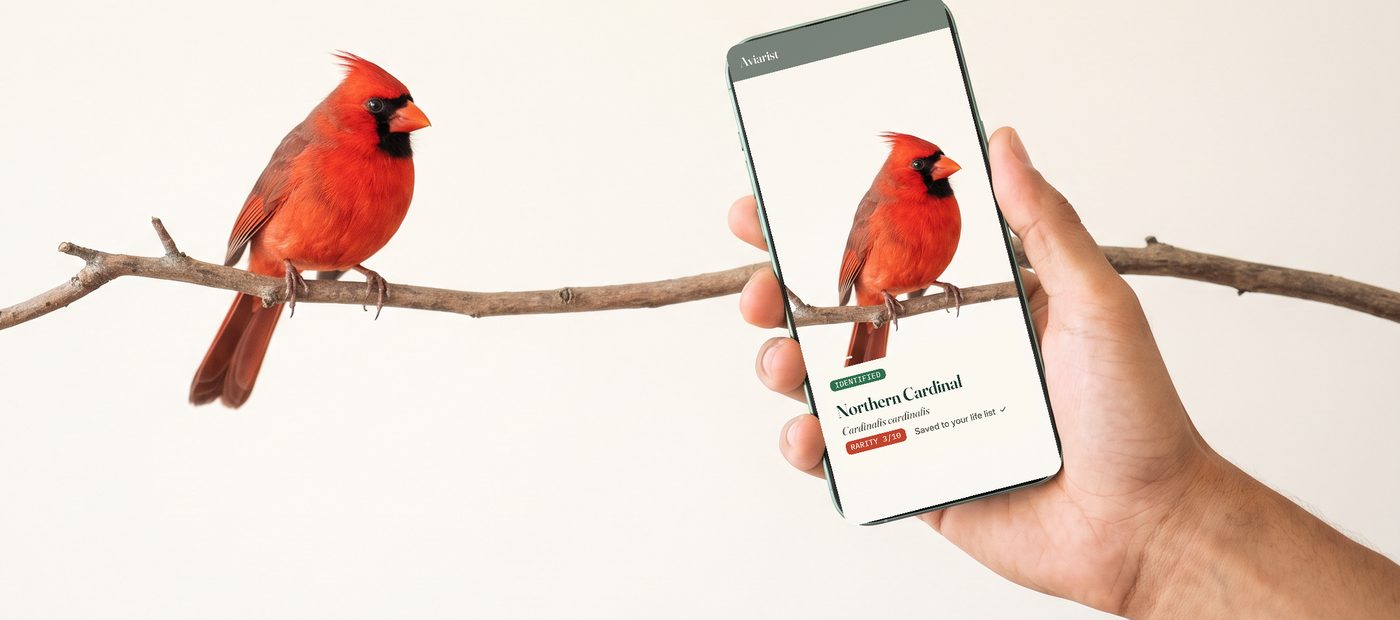
Spot one yourself?
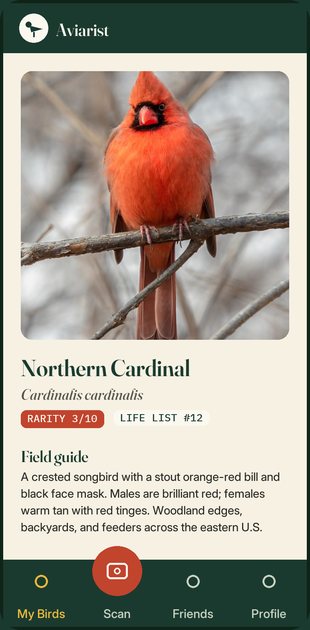
Point your camera at any bird and Aviarist identifies it in seconds — then logs it to your life list.
Get Aviarist on Google Play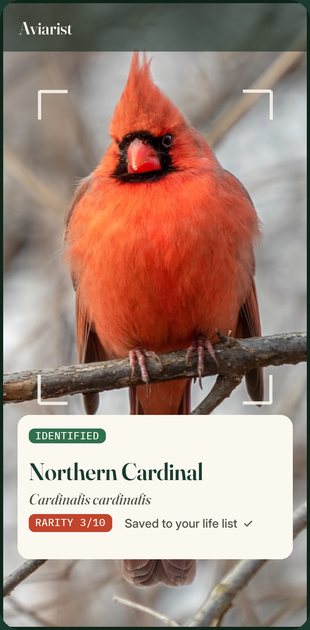
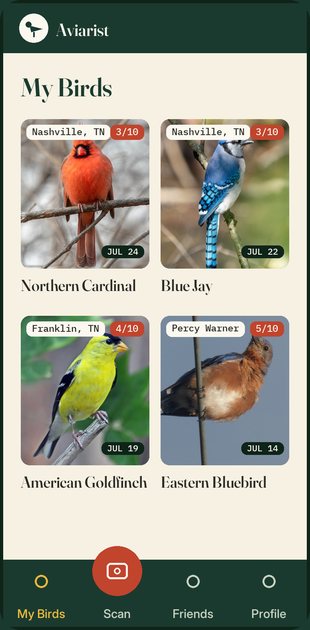
More backyard birds

.jpg)
Other apps we make