How to Identify aBlack-capped Chickadee
Poecile atricapillus · 4.7–5.9 in (12–15 cm)
Male vs. female
Male
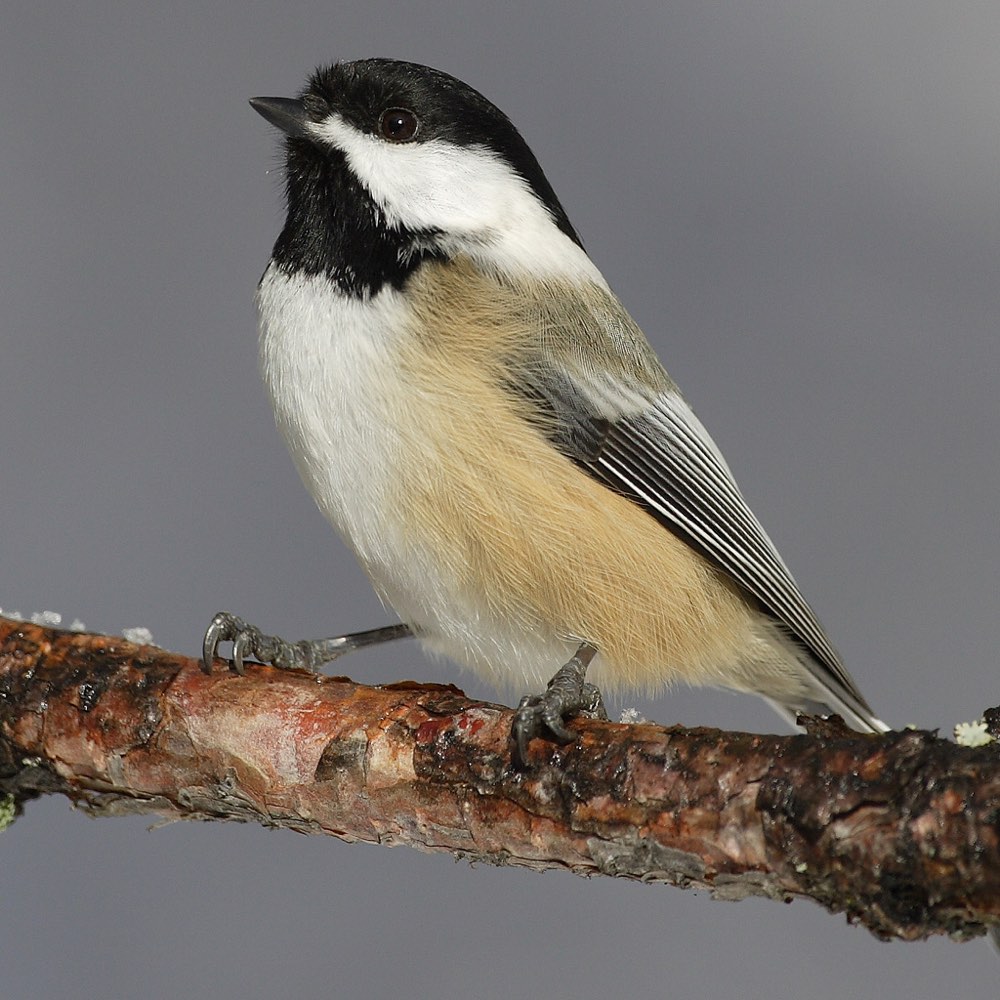
Black cap and throat, crisp white cheeks, gray back and wings, buffy-white sides.
Female
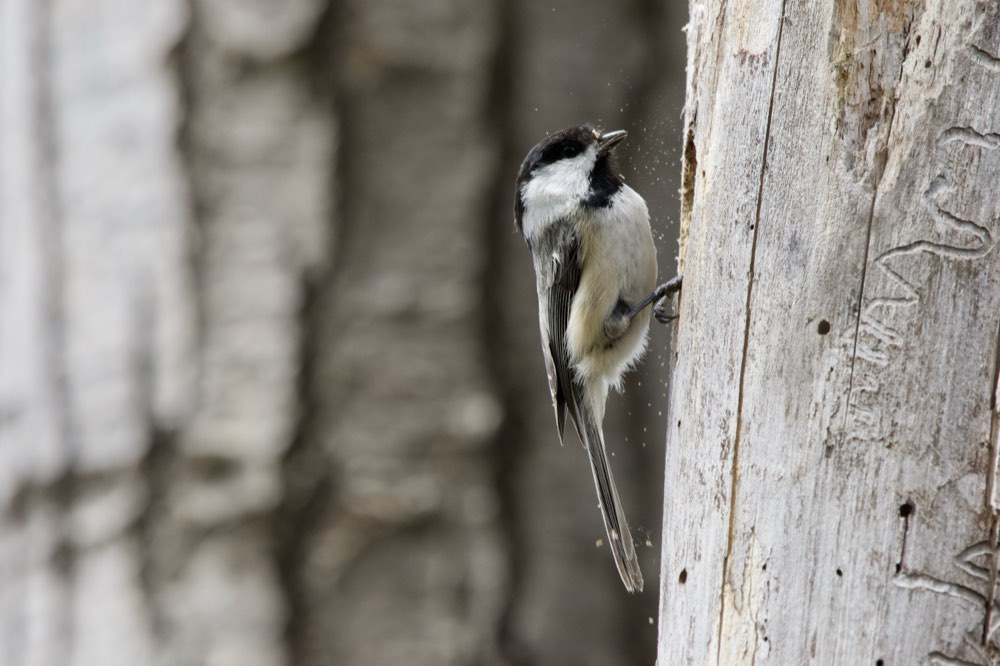
Identical to the male in the field; sexes are not distinguishable by plumage.
Male photo: No machine-readable author provided. Mdf assumed (based on copyright claims). / Wikimedia, CC BY-SA 3.0 · Second photo: Jshamgochian / Wikimedia, CC BY-SA 4.0
Field marks
- Black cap extending down through the eye
- Black bib under a white cheek
- Buffy wash along the flanks
- Whitish edges on the wing feathers
Similar species
What it sounds like
A pure two-note whistled "fee-bee" and the familiar "chick-a-dee-dee-dee" call.
Behaviour that gives it away
Adds more "dee" notes to its call the more dangerous a predator is, so the call carries real information to other birds.
Habitat & range
Deciduous and mixed forests, woodlots, and feeders across the northern U.S. and Canada.
When you'll see it
Present all year in North America.
What it eats
Insects, spiders, seeds, and berries; a reliable, fearless feeder visitor.
Did you know?
The "chick-a-dee" call carries a code — more "dee" notes signal a more dangerous predator.
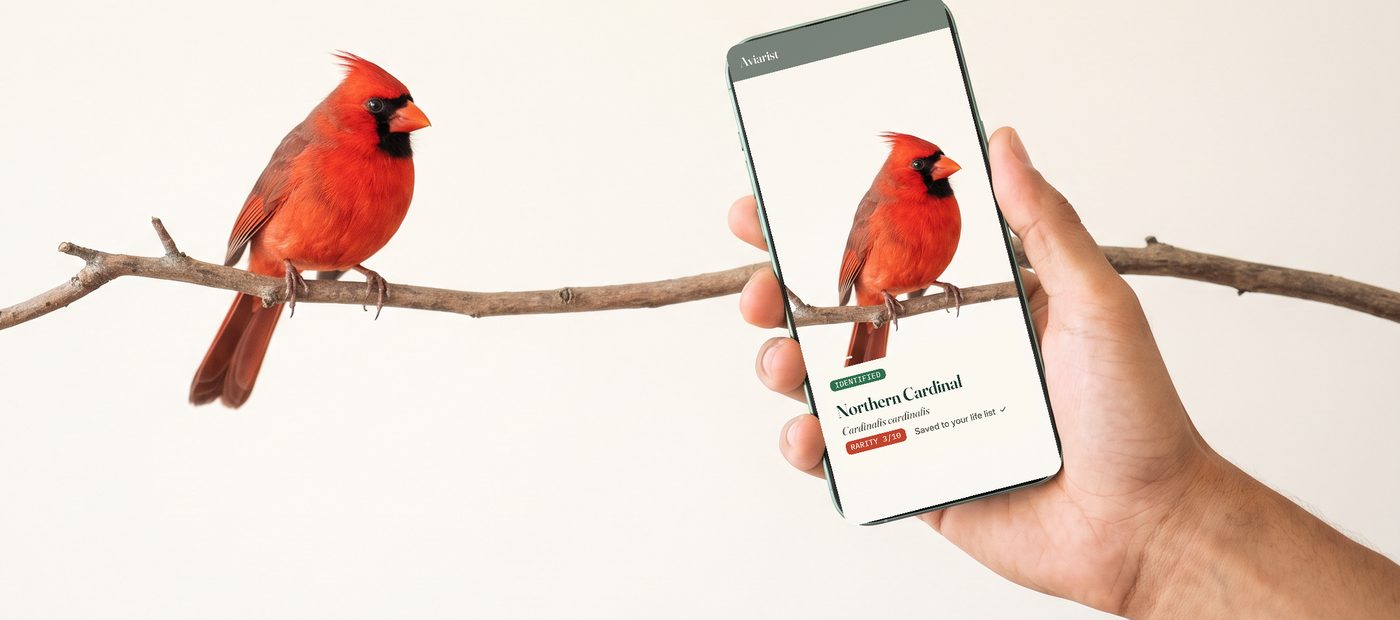
Spot one yourself?
Point your camera at any bird and Aviarist identifies it in seconds — then logs it to your life list.
Get Aviarist on Google Play
More backyard birds

_excavating_a_nest_cavity_in_Waterville,_Maine.jpg)
Other apps we make