How to Identify aRed-breasted Nuthatch
Sitta canadensis · 4.3–4.7 in (11–12 cm)
Male vs. female
Male
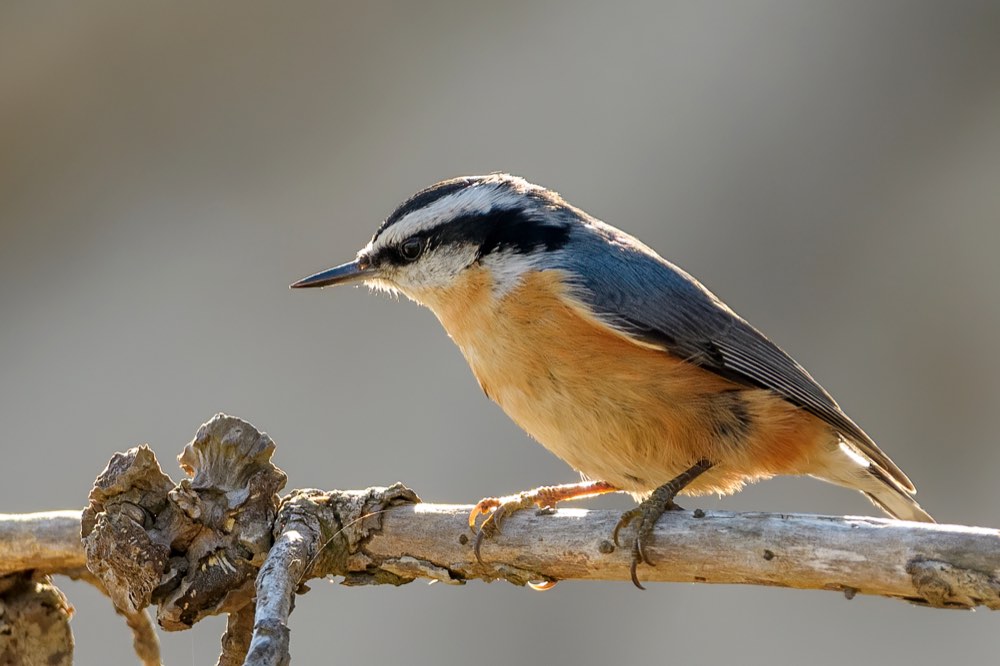
Blue-gray above, rich rusty-orange below, black cap and a bold black line through the eye over a white eyebrow.
Female
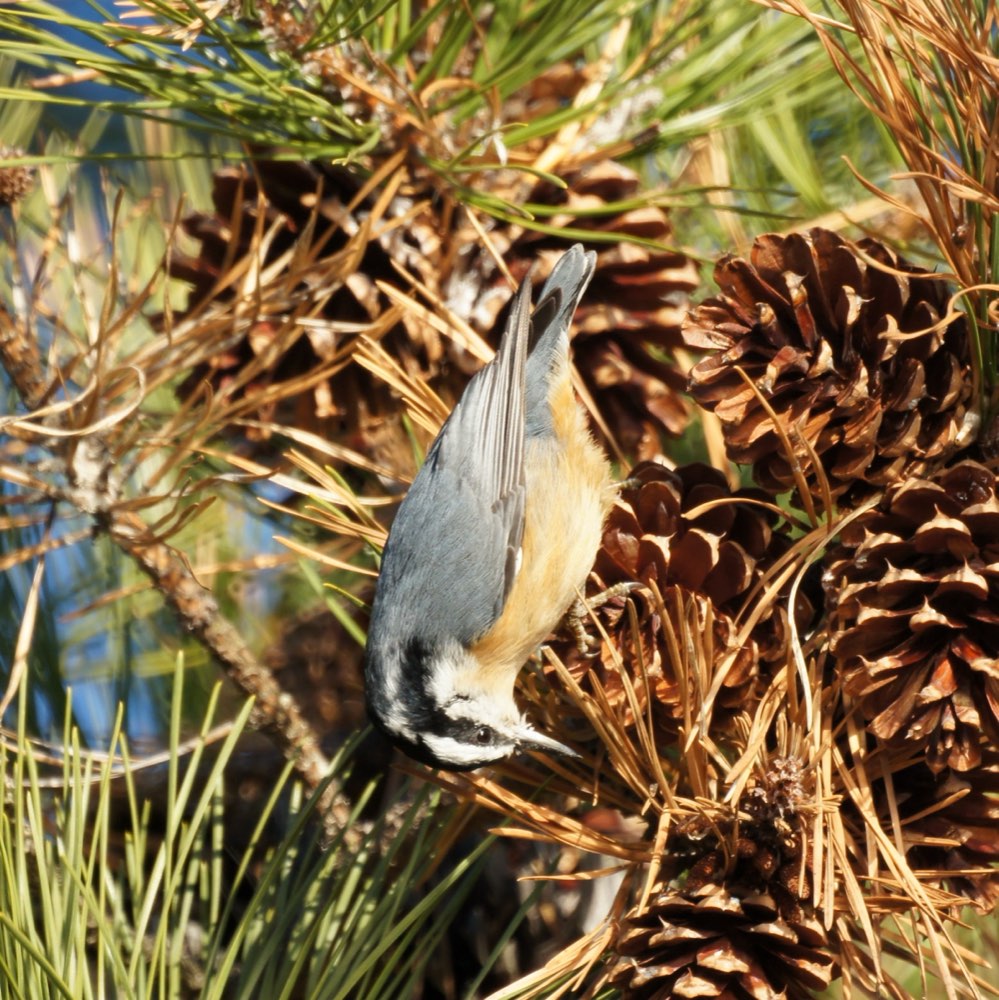
Same pattern but the cap is slate-gray rather than black and the underparts are paler buff.
Male photo: Becky Matsubara from El Sobrante, California / Wikimedia, CC BY 2.0 · Second photo: Mike's Birds / Wikimedia, CC BY-SA 2.0
Field marks
- Black line through the eye with a white stripe above it
- Rusty-orange wash across the underparts
- Very short tail and a long, slightly upturned bill
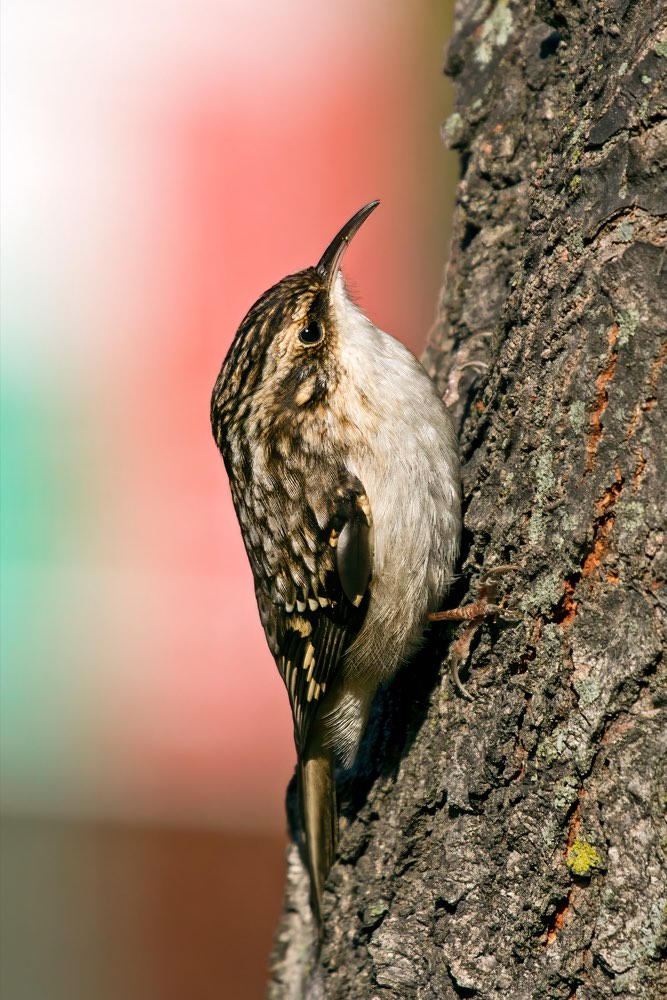
- Climbs downward on trunks head-first
Similar species
What it sounds like
A nasal, tinny "yank-yank" like a tiny toy horn, repeated steadily and often the first clue the bird is present.
Behaviour that gives it away
Works down tree trunks head-first, which no woodpecker or creeper does, and smears sticky conifer resin around its nest hole entrance.
Habitat & range
Conifer and mixed forest across Canada, the northern states and western mountains; moves south to backyards in irruption winters.
When you'll see it
Depending on where in northern, eastern and western North America you are, it is present all year and a winter visitor.
What it eats
Conifer seeds and insects, plus sunflower seed and suet at feeders.
Did you know?
In years when the northern conifer seed crop fails, large numbers move far south of their usual range in what birders call an irruption.
Spot one yourself?
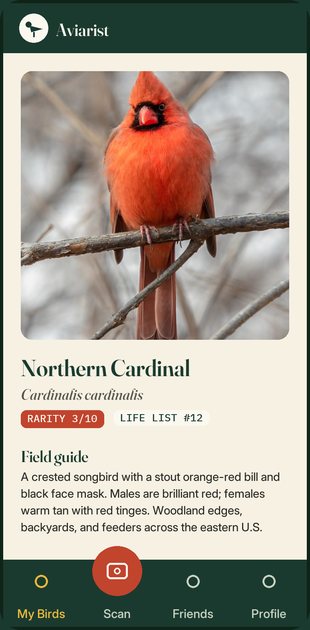
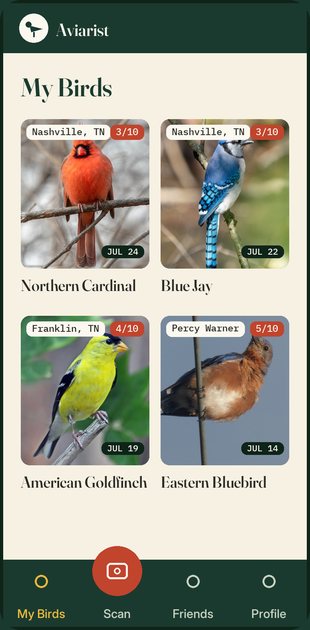
Point your camera at any bird and Aviarist identifies it in seconds — then logs it to your life list.
Get Aviarist on Google Play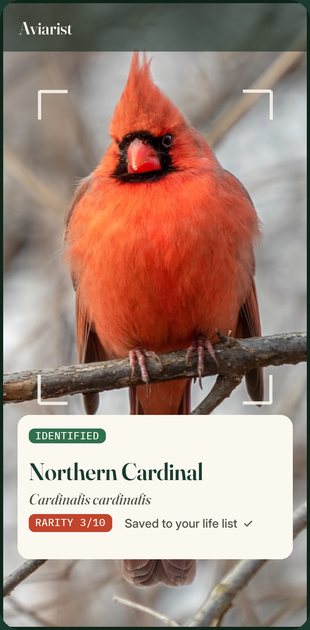
More backyard birds
.jpg)
.jpg)
Other apps we make