How to Identify aBaltimore Oriole
Icterus galbula · 6.7–7.5 in (17–19 cm)
Male vs. female
Male
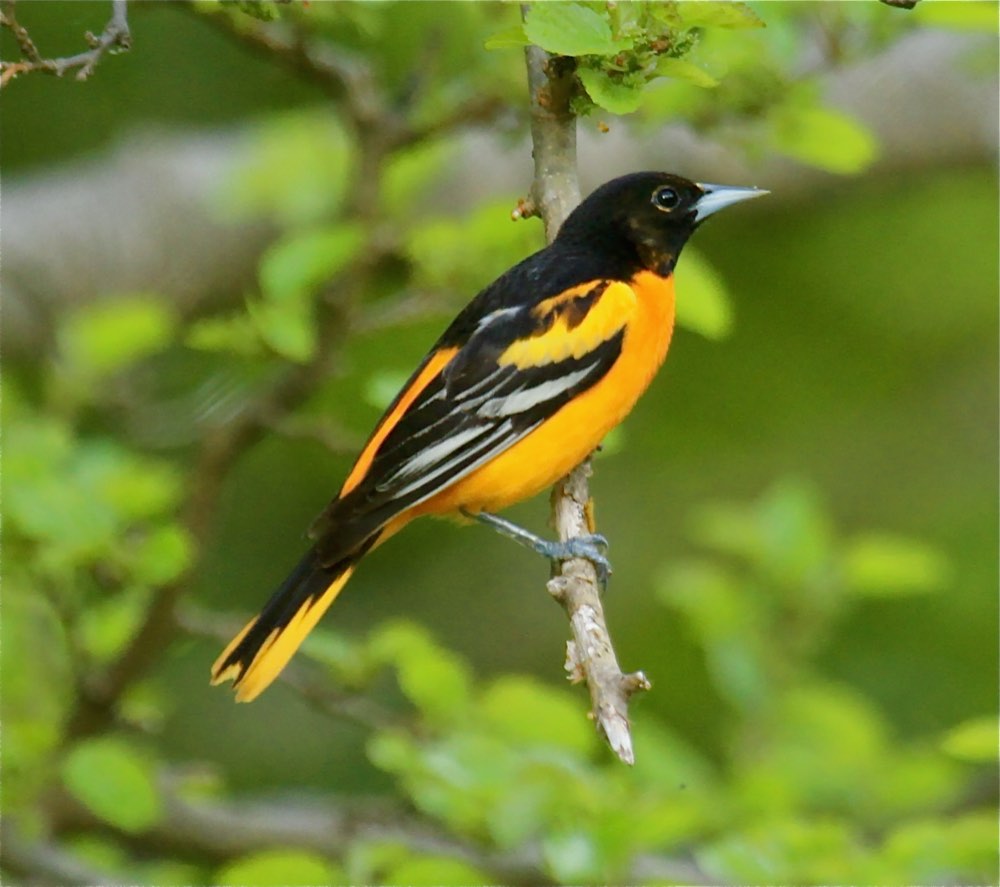
Brilliant orange body with a solid black head, black back, and black-and-orange wings with a white bar.
Female
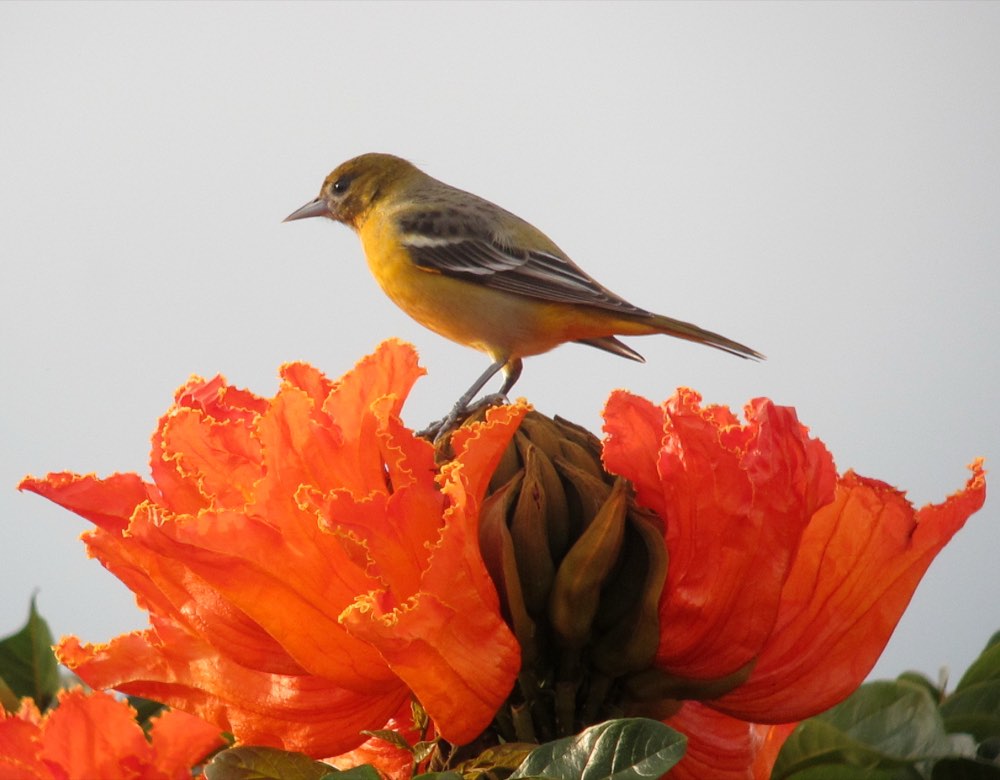
Yellow-orange below and brownish-olive above with dark wings and two white wing bars; no black hood.
Male photo: TonyCastro / Wikimedia, CC BY-SA 4.0 · Female photo: Félix Uribe from Rionegro, Antioquia, Colombia / Wikimedia, CC BY-SA 2.0
Field marks
- Bright orange-and-black male; yellow-orange female
- Pointed, silver-gray bill
- White wing bar on dark wings
- Often high in leafy shade trees
Similar species
What it sounds like
A rich, flutey series of whistled notes, unhurried and clear, given high in shade trees.
Behaviour that gives it away
Weaves a deep hanging pouch nest from plant fibre, suspended from the tip of a drooping branch.
Habitat & range
Open woodlands, riverbanks, parks, and backyards with tall trees across the eastern U.S. in summer.
When you'll see it
A summer visitor that arrives to breed in eastern and central North America.
What it eats
Insects, nectar, and fruit; comes to orange halves and grape-jelly feeders.
Did you know?
They weave a hanging, sock-shaped nest that can take a female a week and thousands of stitches to build.
Spot one yourself?
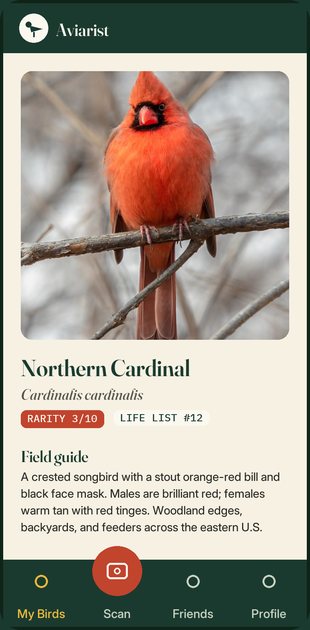
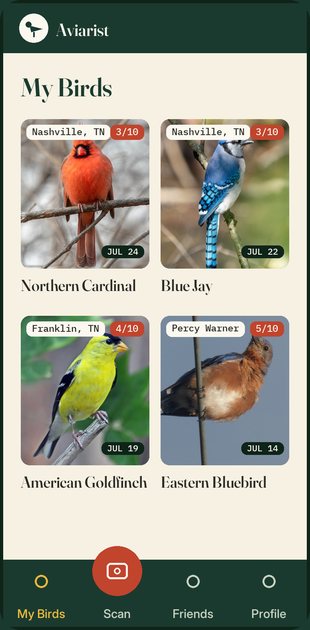
Point your camera at any bird and Aviarist identifies it in seconds — then logs it to your life list.
Get Aviarist on Google Play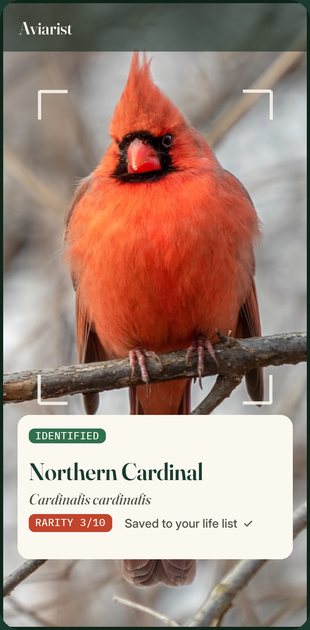
More backyard birds
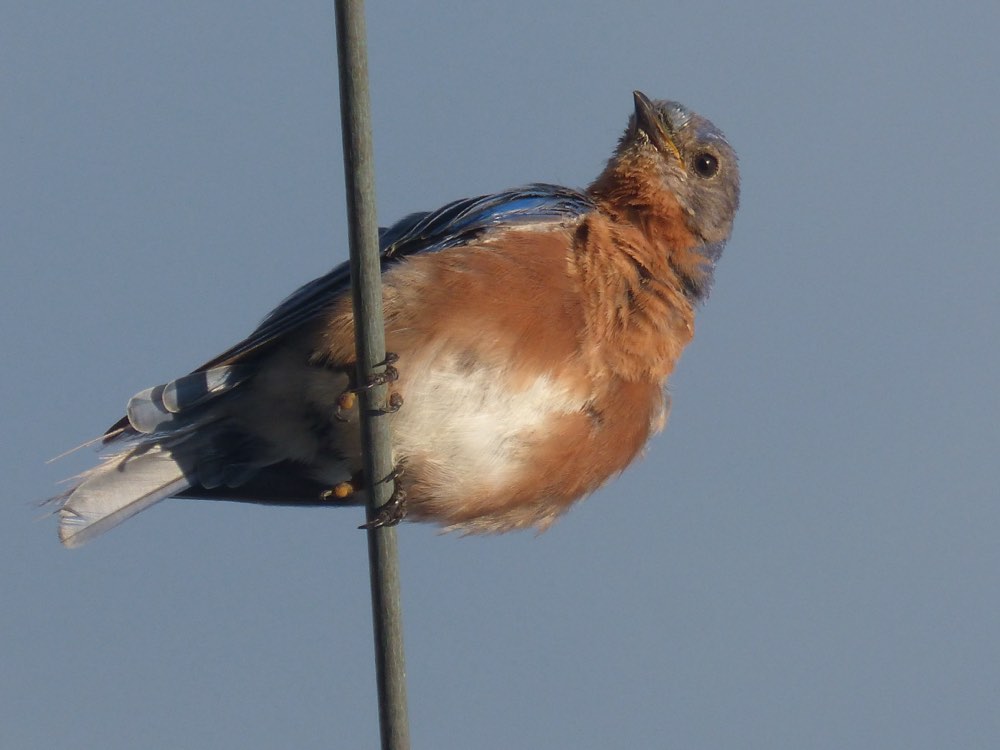

_(8315125790).jpg)
Other apps we make