How to Identify aAmerican Robin
Turdus migratorius · 7.9–11.0 in (20–28 cm)
Male vs. female
Male
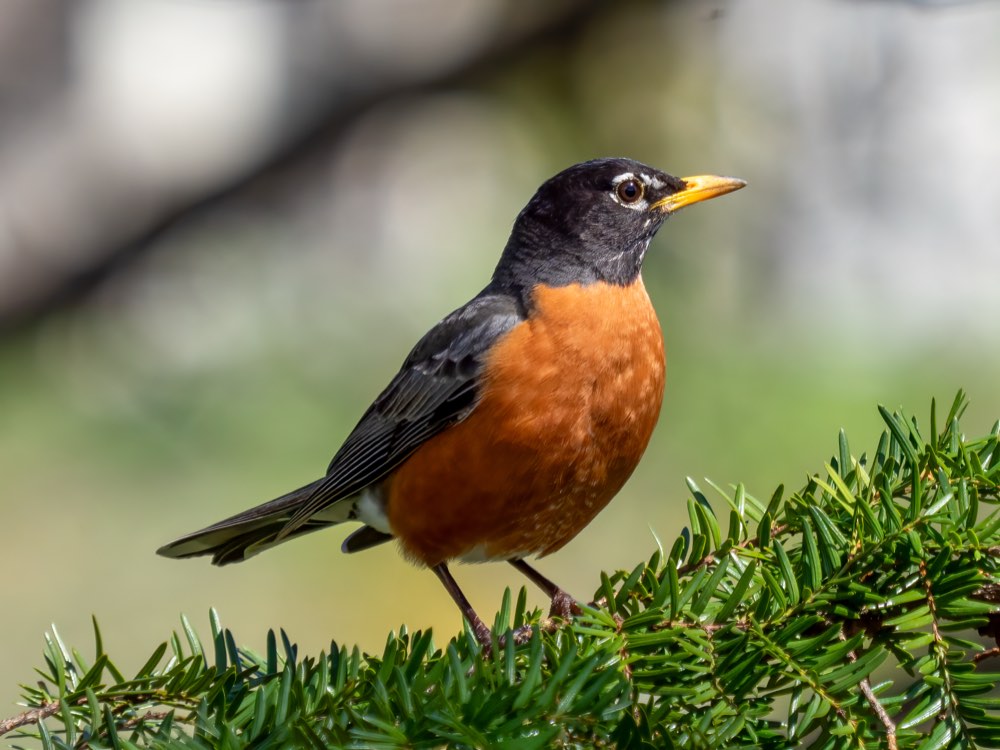
Dark gray-black head, gray back, and a rich orange-red breast; white splits around the eye.
Female
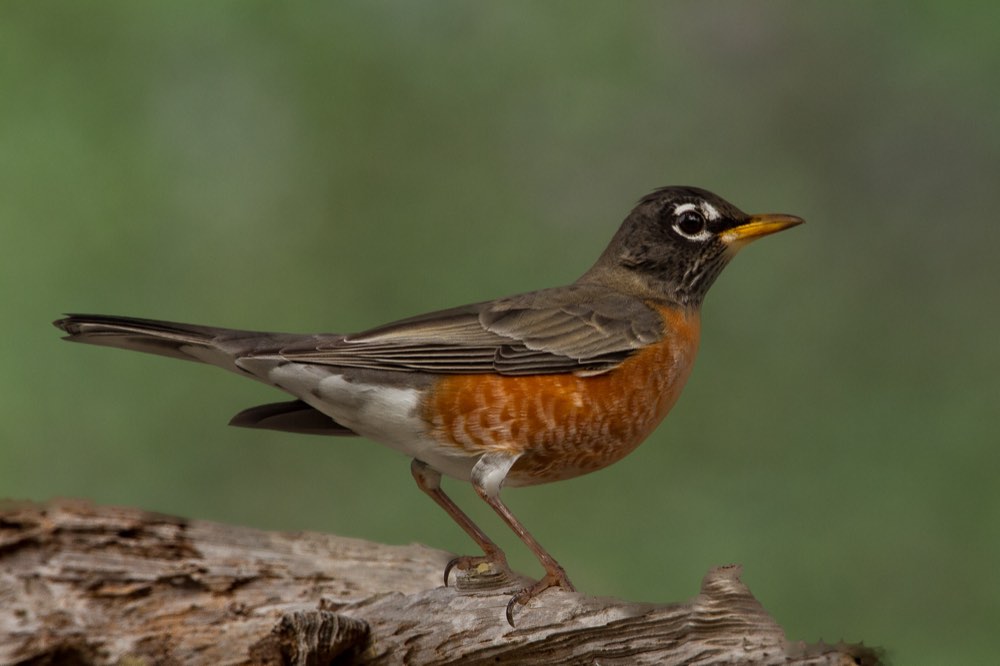
Paler overall with a grayer head and a slightly washed-out orange breast.
Male photo: Rhododendrites / Wikimedia, CC BY-SA 4.0 · Female photo: Andy Morffew from Itchen Abbas, Hampshire, UK / Wikimedia, CC BY 2.0
Field marks
- Brick-orange to rusty breast and belly
- Yellow bill, often dark-tipped
- White broken eye-ring
- Streaked white throat
Similar species
What it sounds like
A rich caroling song of rising and falling phrases, often written "cheerily, cheer up, cheer-i-o".
Behaviour that gives it away
Runs a few paces across a lawn, stops, and cocks its head — it is watching and listening for worms, not just looking.
Habitat & range
Lawns, gardens, fields, and woodlands across nearly all of North America.
When you'll see it
Depending on where in North America you are, it is present all year and a summer visitor that arrives to breed.
What it eats
Earthworms and insects in warm months, switching to berries and fruit in fall and winter.
Did you know?
The classic "worm-tugging" pose isn't about hearing worms — robins mostly locate them by sight, cocking the head to look.
Spot one yourself?
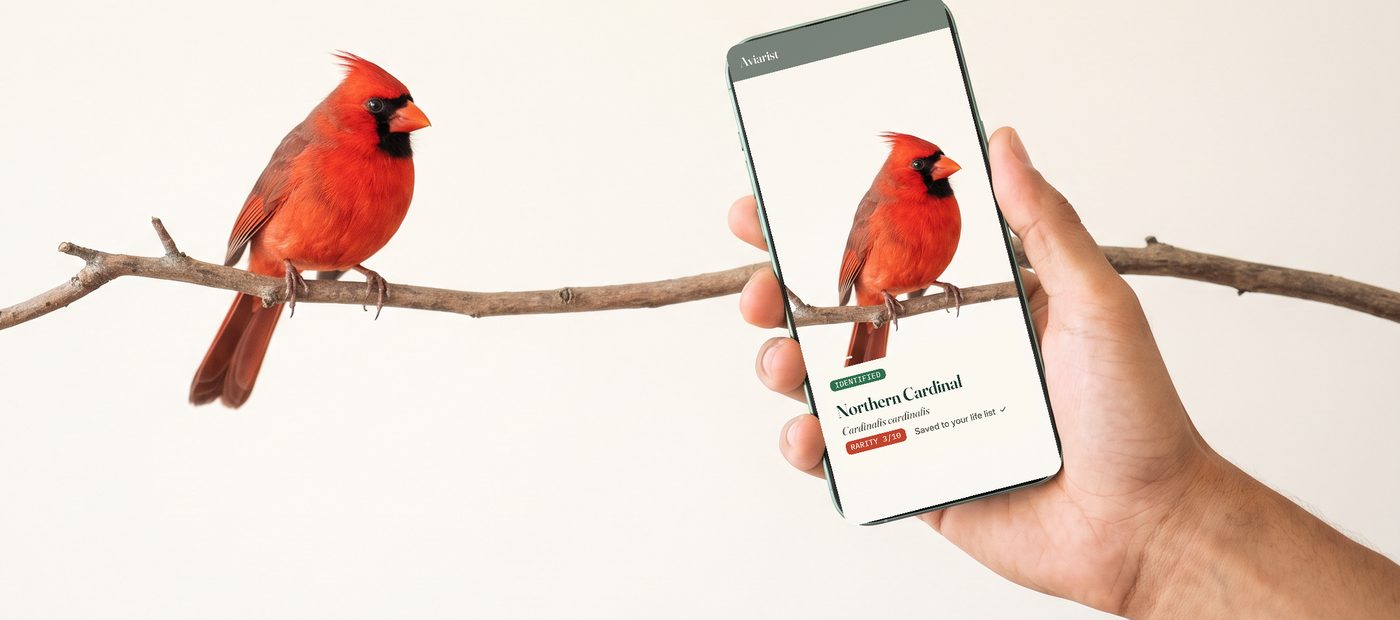
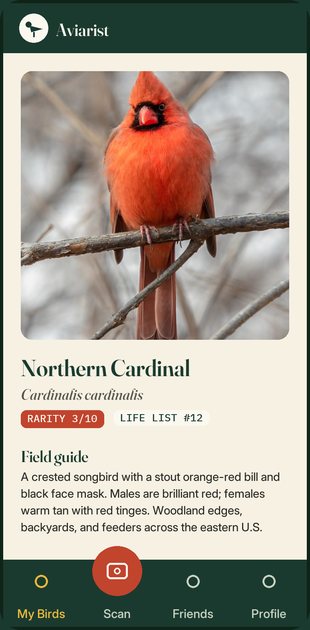
Point your camera at any bird and Aviarist identifies it in seconds — then logs it to your life list.
Get Aviarist on Google Play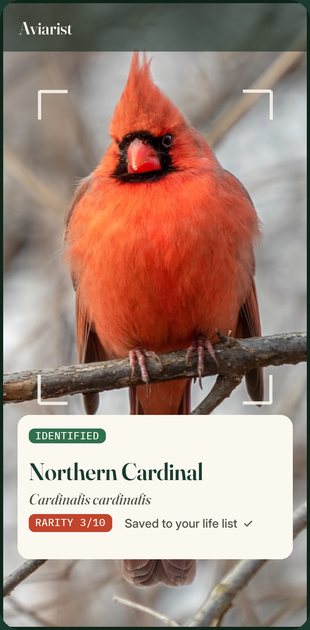
More backyard birds
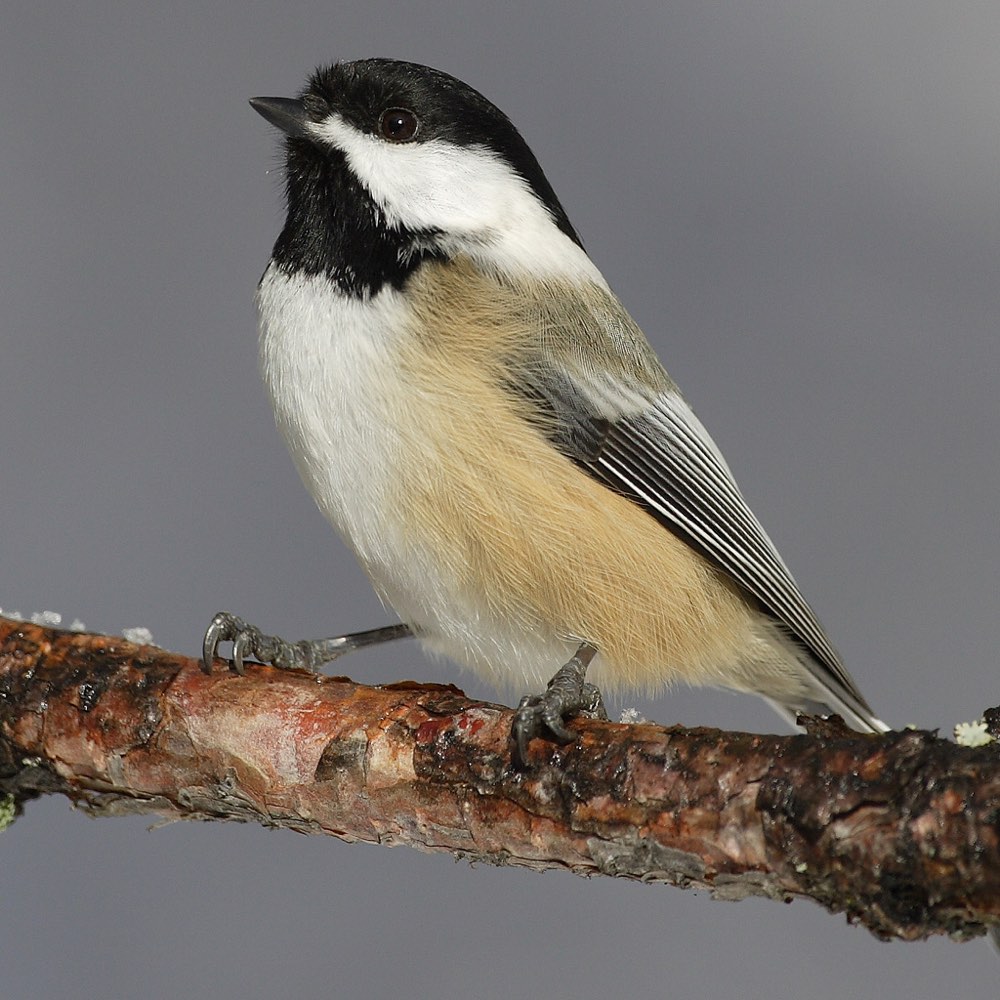
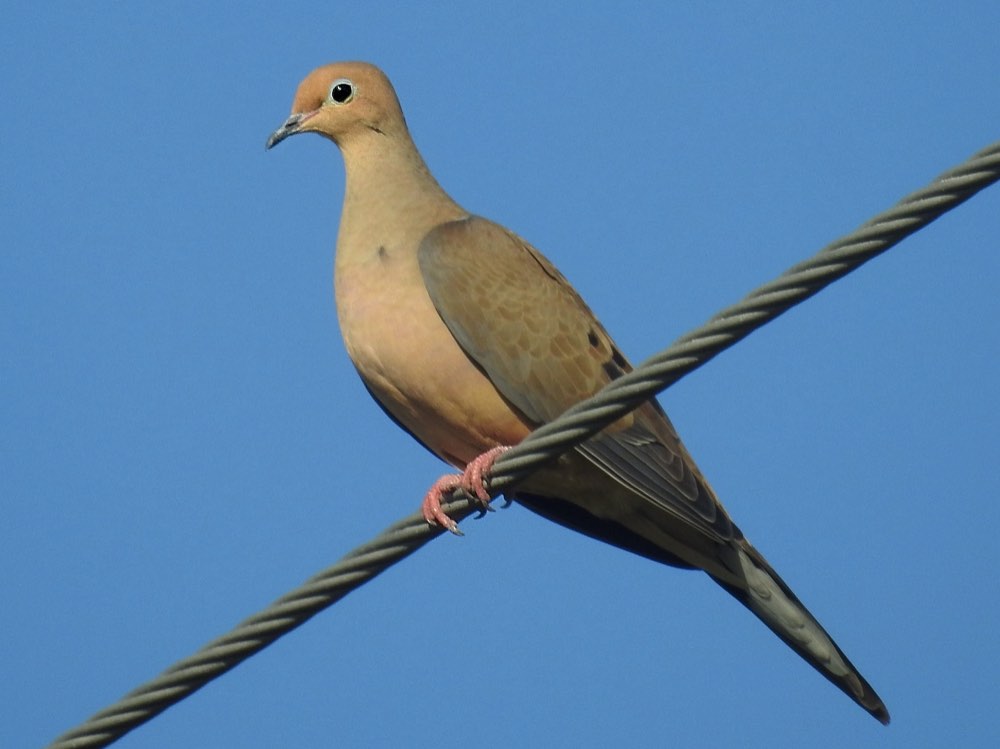
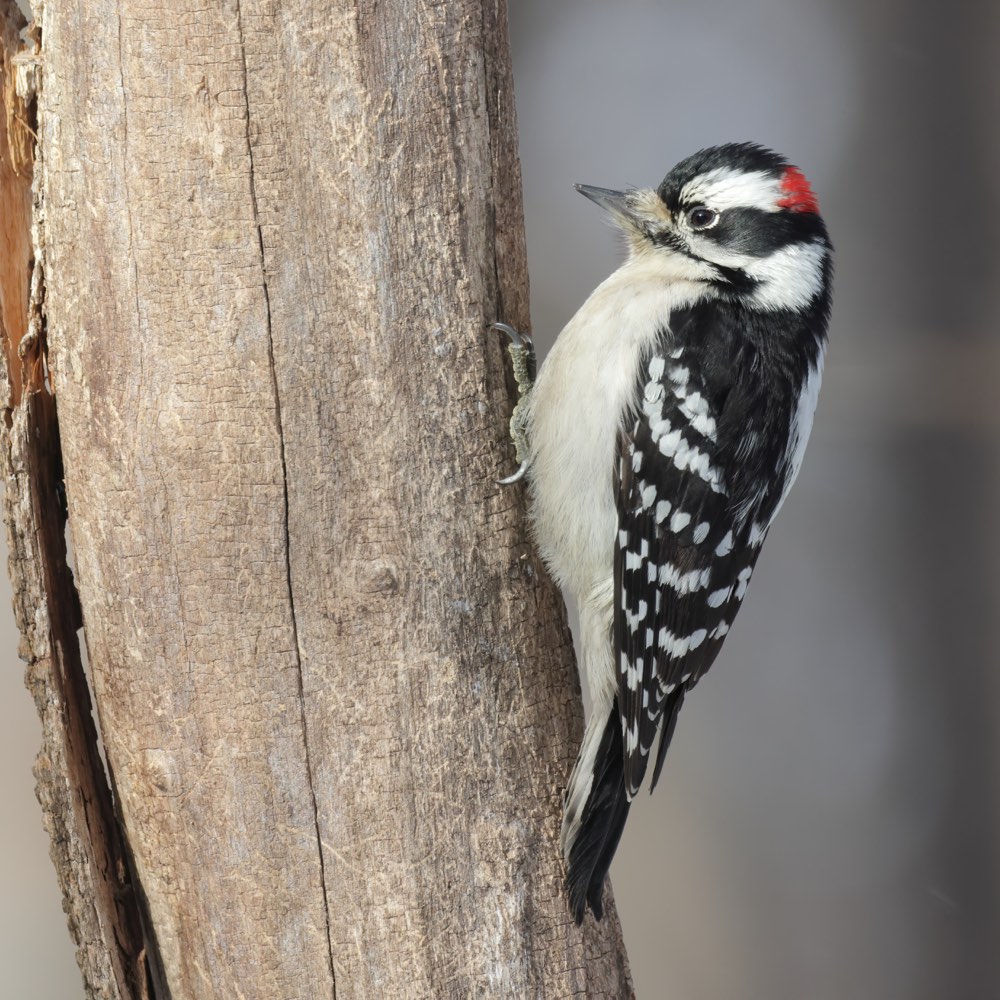
.jpg)
_(8234762055).jpg)
Other apps we make