How to Identify aCommon Grackle
Quiscalus quiscula · 11.0–13.4 in (28–34 cm)
Male vs. female
Male
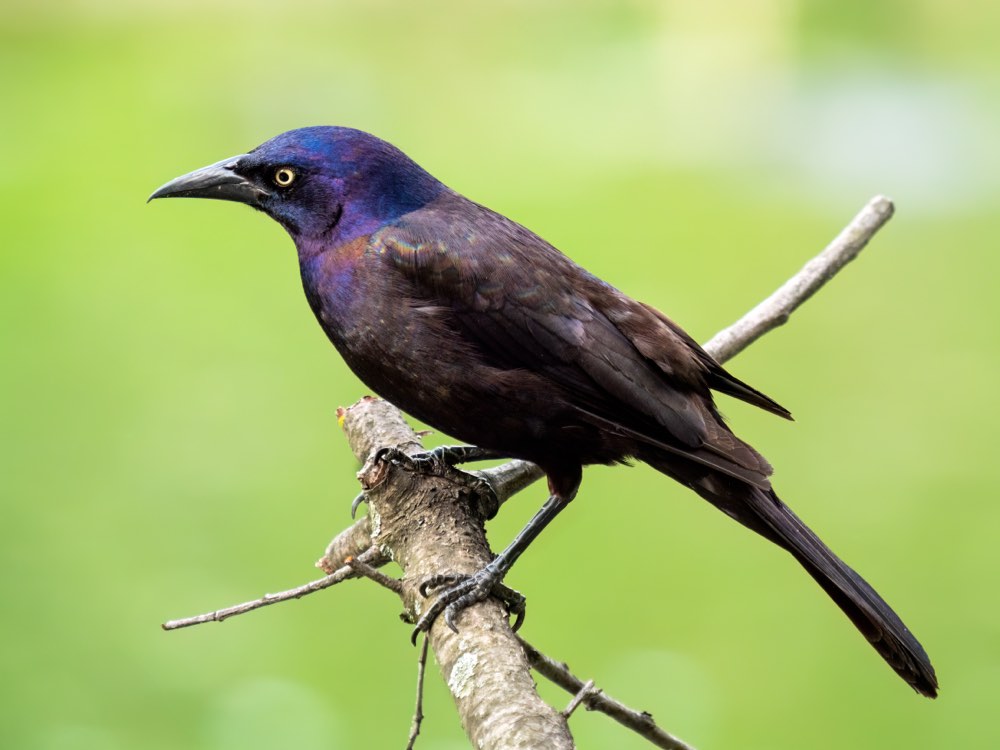
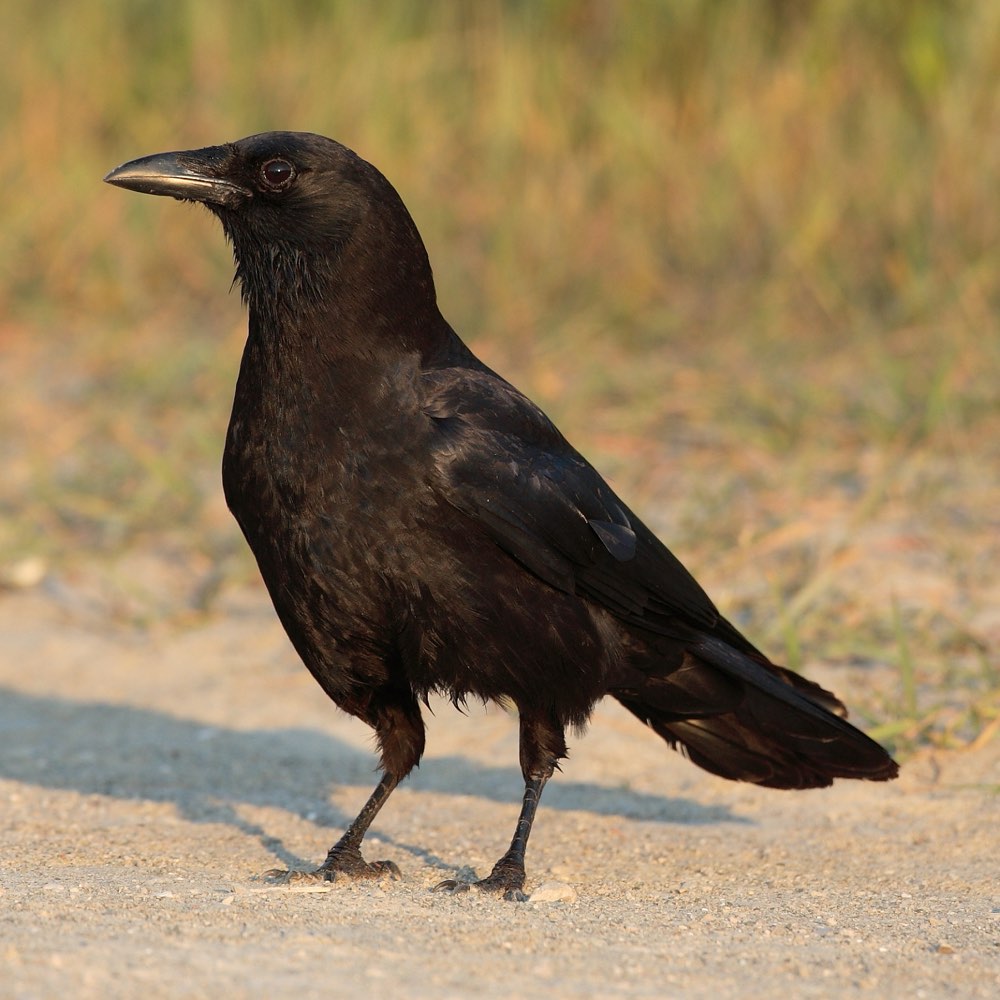
Black with a strong blue-purple gloss on the head over a bronzy body; long keel-shaped tail, pale eye.
Female
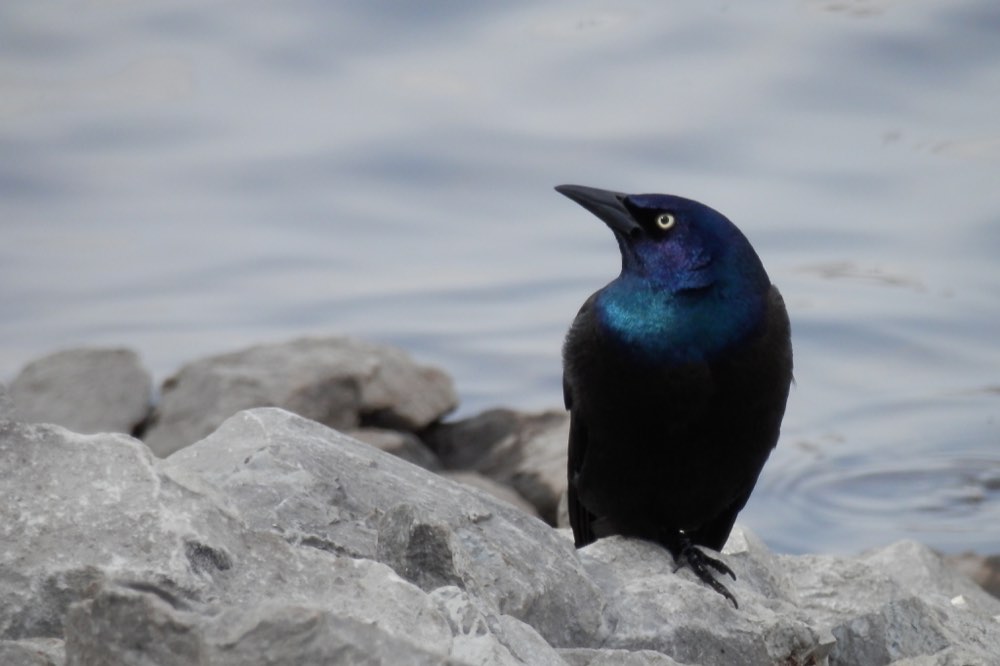
Slightly smaller and less glossy than the male, otherwise similar.
Male photo: Rhododendrites / Wikimedia, CC BY-SA 4.0 · Second photo: Ryan Hodnett / Wikimedia, CC BY-SA 4.0
Field marks
- Pale yellow eye on a dark head
- Long tail folded into a keel or V shape
- Iridescent blue-purple head and bronzy body
- Long legs; struts on the ground
Similar species
What it sounds like
A short, harsh, rasping note like a rusty gate being forced open.
Behaviour that gives it away
Folds its long tail into a deep keel shape in flight, and sometimes lets ants crawl through its feathers.
Habitat & range
Open fields, marsh edges, parks, and suburbs across the eastern and central U.S.
When you'll see it
Depending on where in eastern and central North America you are, it is present all year and a summer visitor that arrives to breed.
What it eats
Highly omnivorous — grain, seeds, insects, and scraps; often flocks at feeders.
Did you know?
Grackles sometimes "anting," rubbing ants through their feathers, likely using the ants' acids against parasites.
Spot one yourself?
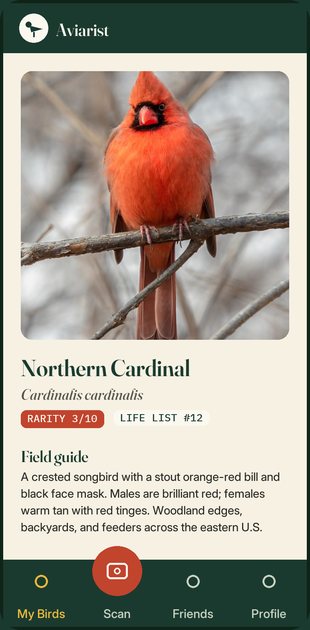
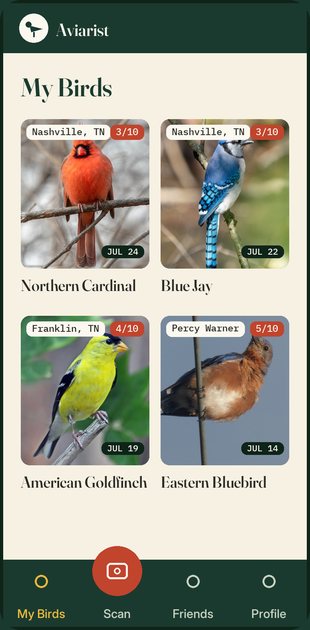
Point your camera at any bird and Aviarist identifies it in seconds — then logs it to your life list.
Get Aviarist on Google Play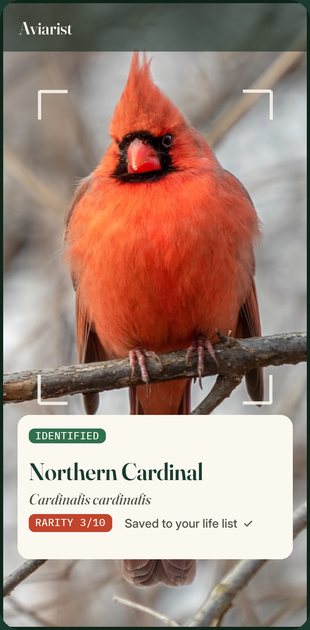
More backyard birds
.jpg)
.jpg)
Other apps we make