How to Identify aHouse Finch
Haemorhous mexicanus · 5.1–5.5 in (13–14 cm)
Male vs. female
Male
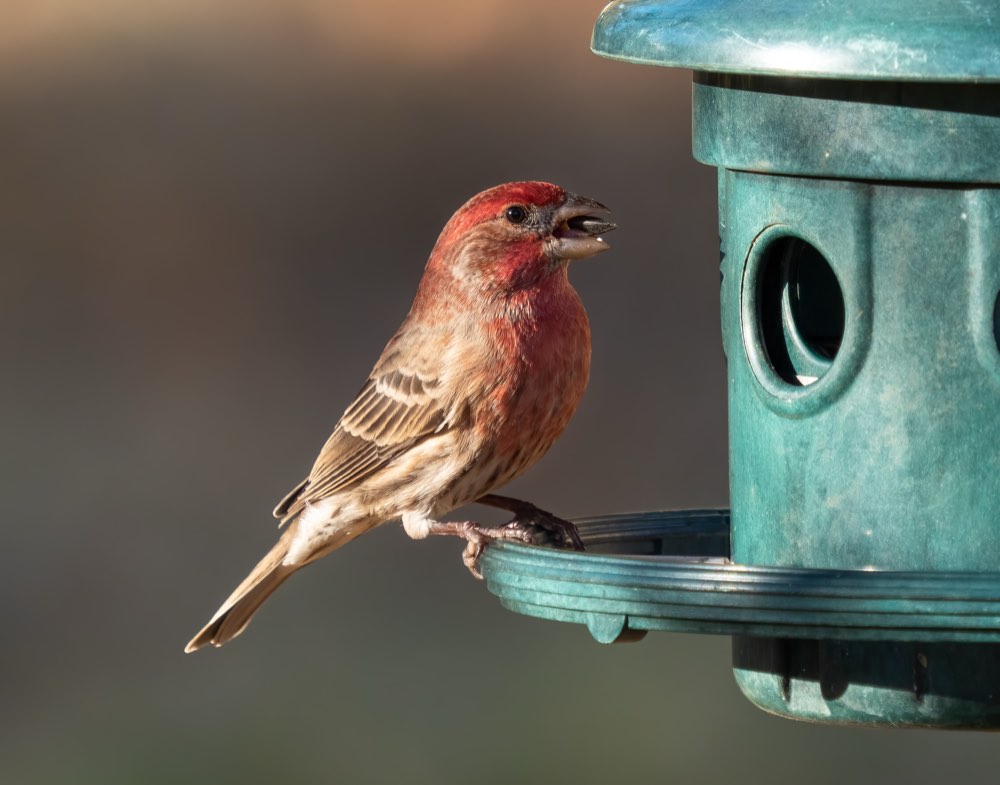
Rosy-red forehead, throat, and upper breast; brown streaked back and belly. Red can vary to orange or yellow.
Female
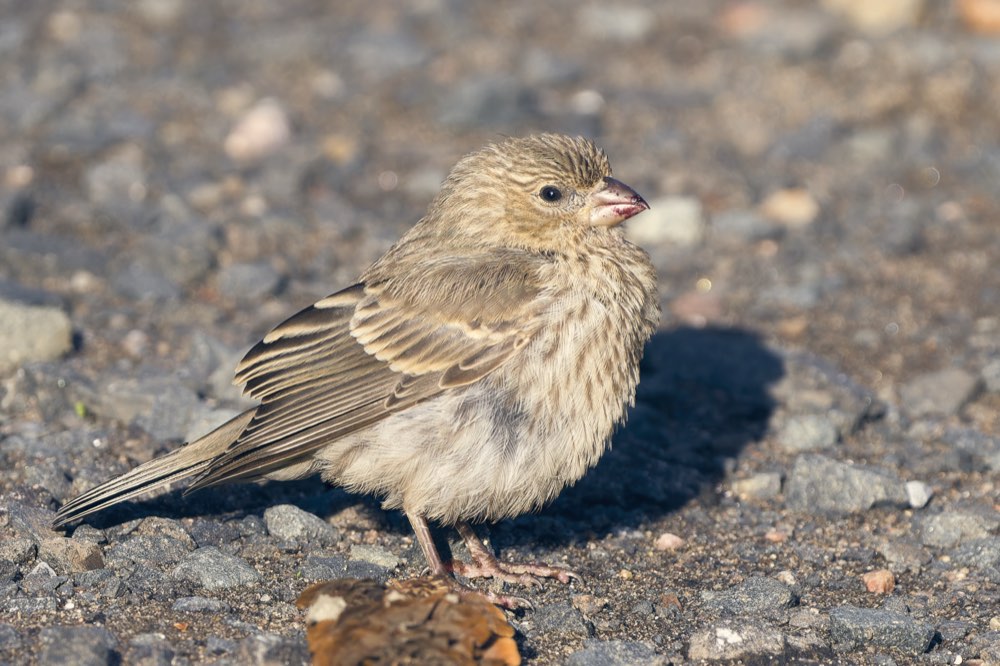
Plain gray-brown with blurry streaks below and no red; a plain face without a strong pattern.
Male photo: Rhododendrites / Wikimedia, CC BY-SA 4.0 · Female photo: Paul Danese / Wikimedia, CC BY-SA 4.0
Field marks
- Streaked flanks and belly
- Curved culmen (top edge of the bill)
- Male red concentrated on head and chest
- Brown, unpatterned face
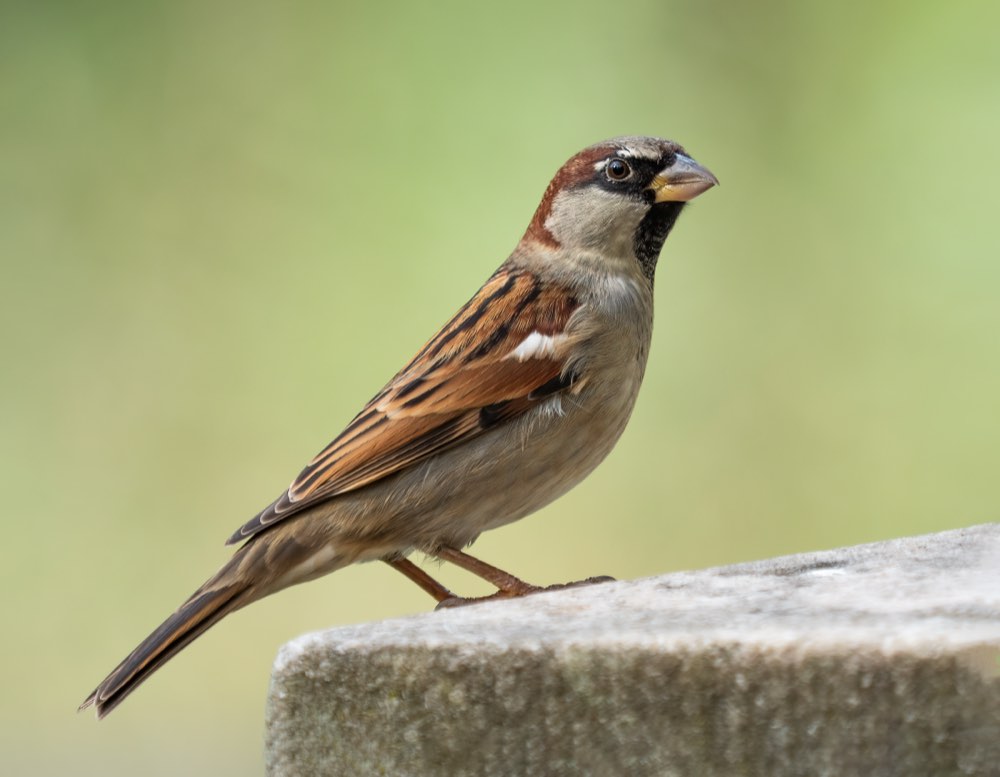
Similar species
What it sounds like
A long, jumbled, cheerful warble that usually ends on a coarse upward-slurred "wheer".
Behaviour that gives it away
The male’s red comes from pigments in his food, so better-fed males are redder — and females prefer them.
Habitat & range
Cities, suburbs, farms, and feeders across nearly all of the U.S.
When you'll see it
Present all year in North America.
What it eats
Almost entirely seeds, buds, and fruit; loves sunflower and nyjer.
Did you know?
A male's red comes from pigments in his food — better-fed males are redder, and females prefer them.
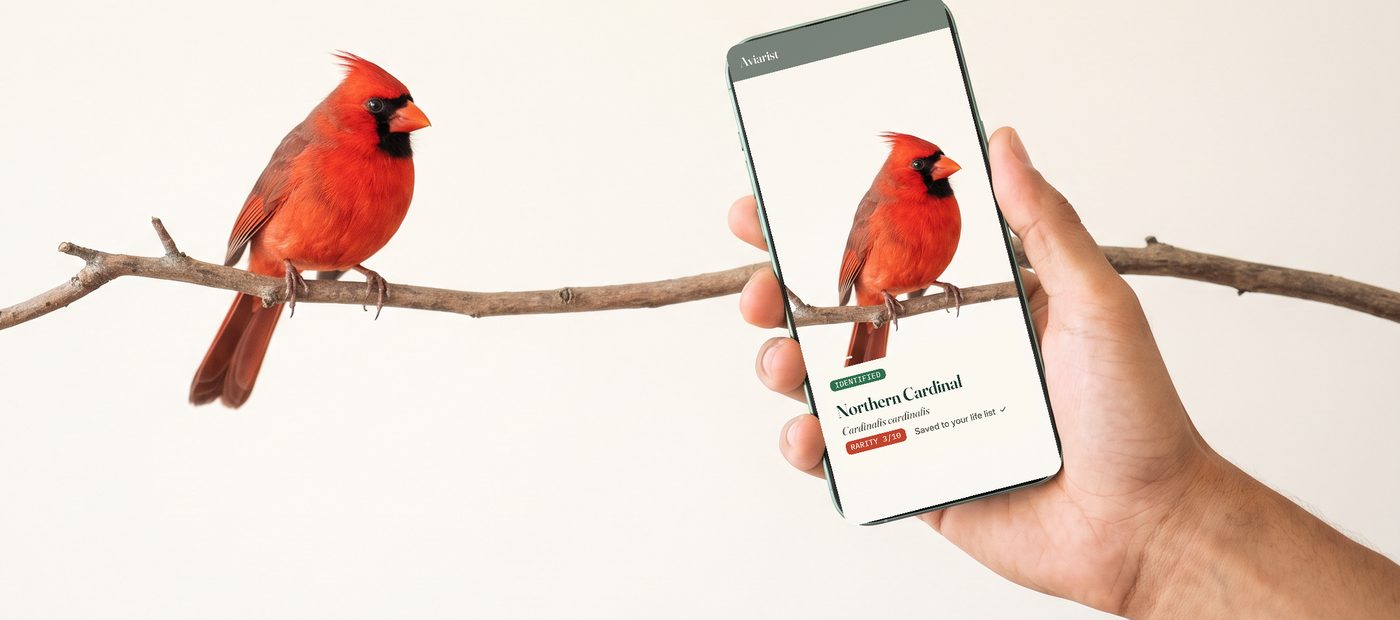
Spot one yourself?
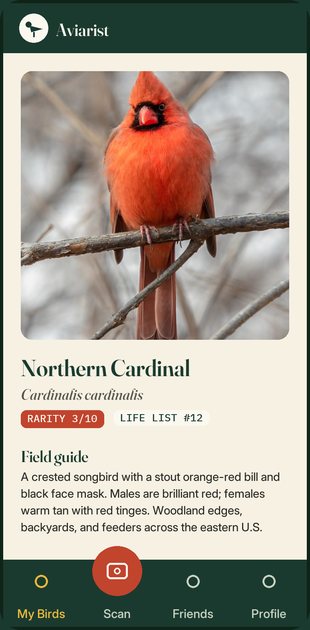
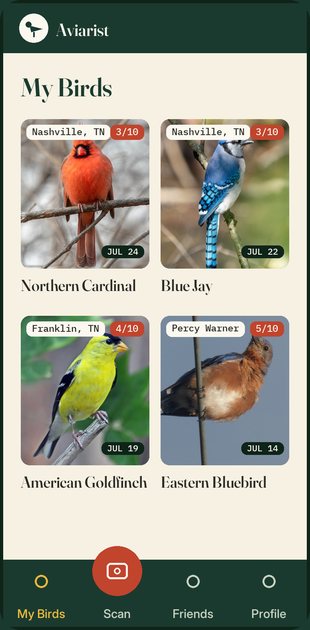
Point your camera at any bird and Aviarist identifies it in seconds — then logs it to your life list.
Get Aviarist on Google Play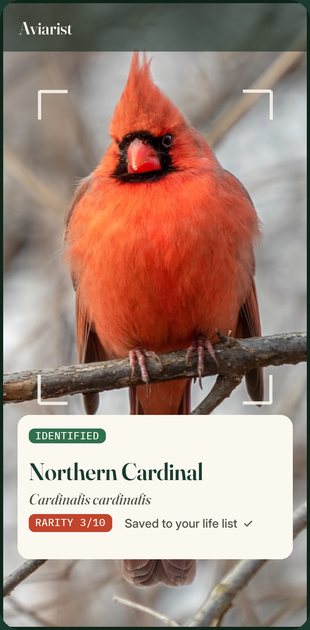
More backyard birds
2.jpg)

Other apps we make