How to Identify aTree Swallow
Tachycineta bicolor · 4.7–5.9 in (12–15 cm)
Male vs. female
Male
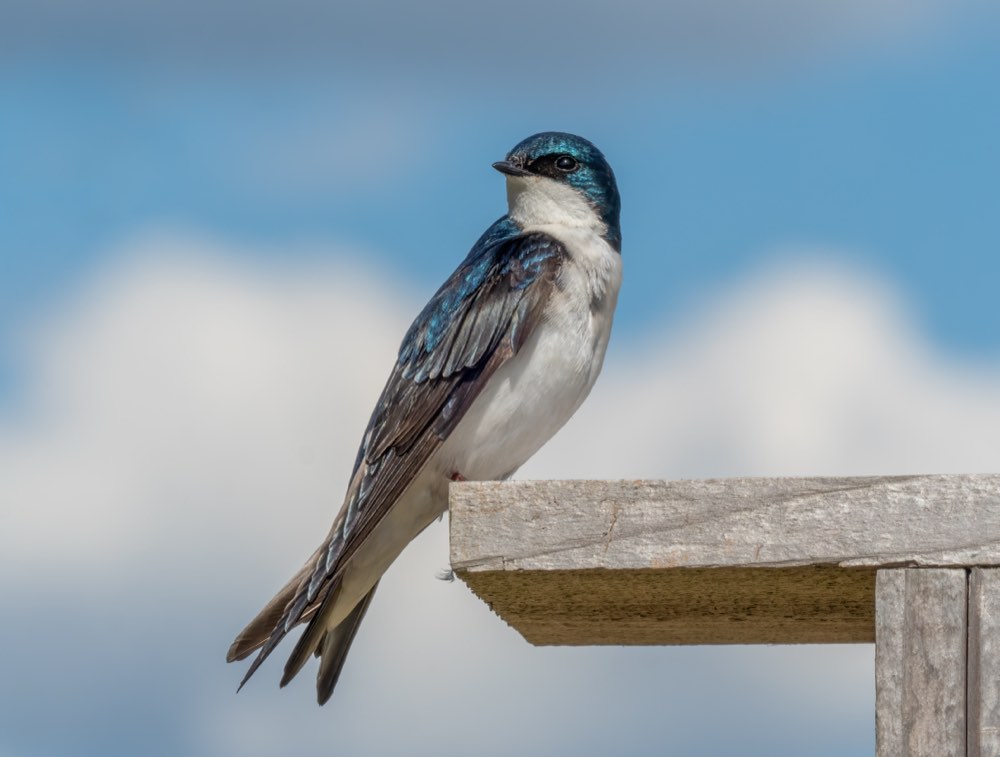
Iridescent blue-green (to blue) upperparts and crisp white underparts; a shallow-notched tail.
Female
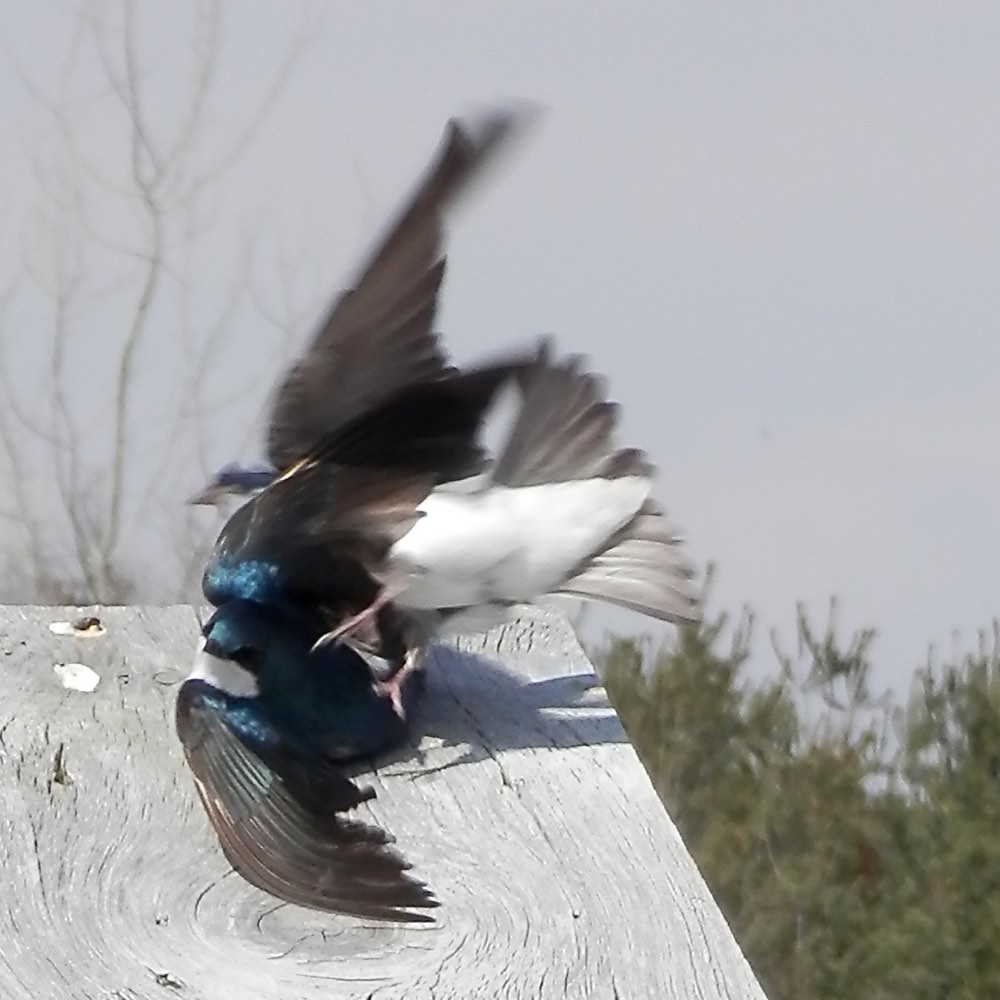
Similar but often duller and browner-backed, especially when young.
Male photo: Rhododendrites / Wikimedia, CC BY-SA 4.0 · Second photo: Ryan Hodnett / Wikimedia, CC BY-SA 4.0
Field marks
- Clean white underparts
- Iridescent blue-green back
- Shallow-notched tail
- White cheek stopping below the eye
Similar species
What it sounds like
A liquid, chirping series of sweet gurgling notes, given in flight around nest boxes.
Behaviour that gives it away
Can digest bayberries, which lets it arrive north weeks before flying insects appear.
Habitat & range
Open fields, marshes, and lakeshores with nest boxes or tree cavities across North America.
When you'll see it
Depending on where in North America you are, it is a summer visitor that arrives to breed and a passage migrant, seen mainly in spring and autumn.
What it eats
Flying insects, plus berries in cold weather — which lets it winter farther north than other swallows.
Did you know?
Unusual among swallows, it eats berries, so it can survive cold snaps that starve insect-only species.
Spot one yourself?
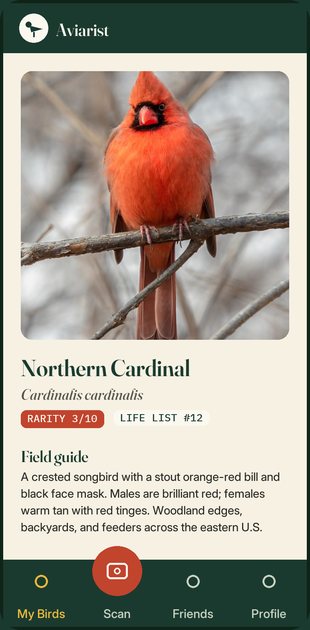
Point your camera at any bird and Aviarist identifies it in seconds — then logs it to your life list.
Get Aviarist on Google Play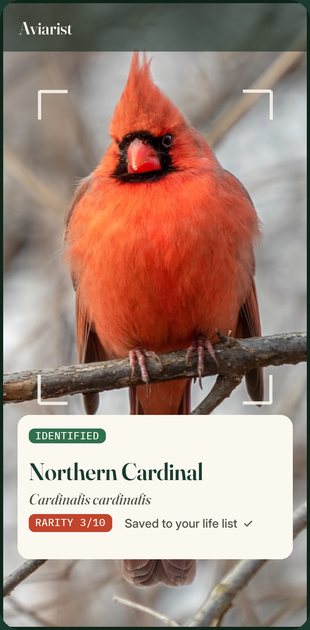
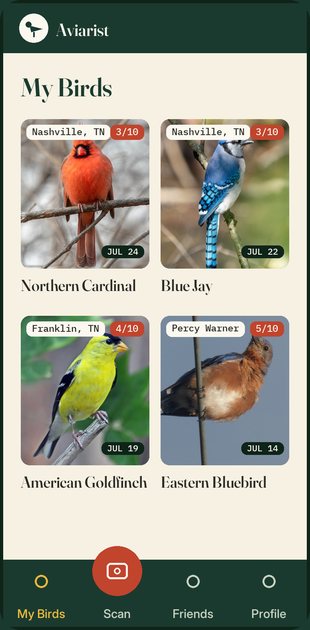
More backyard birds
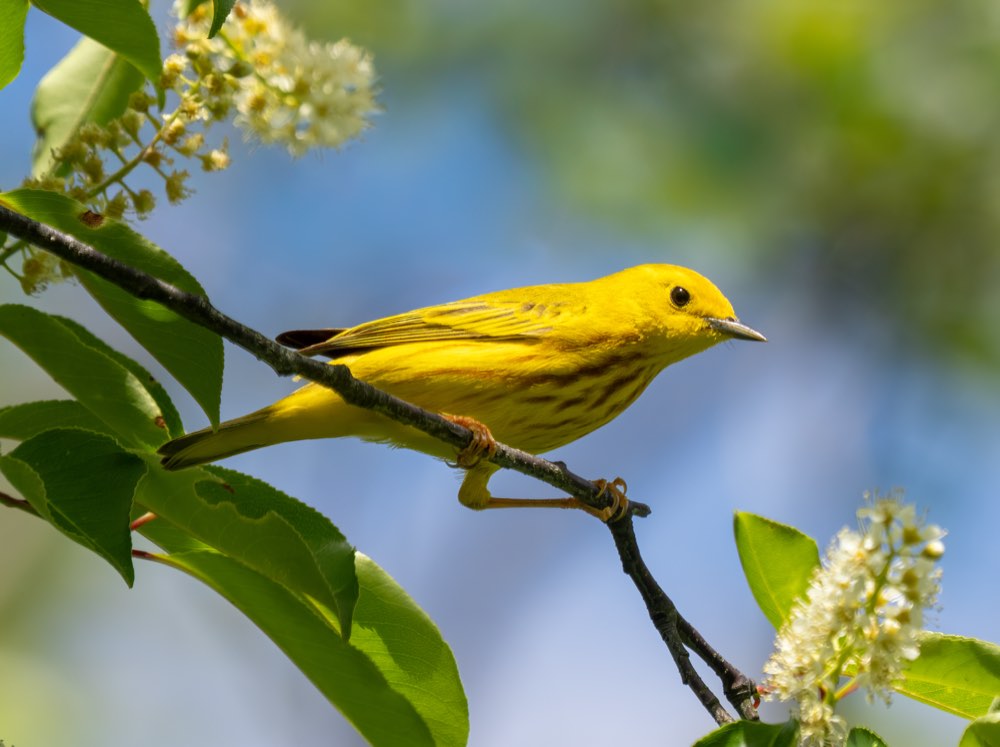
.jpg)
_FIghting_on_Nest_Box.jpg)
Other apps we make