How to Identify aKilldeer
Charadrius vociferus · 7.9–11 in (20–28 cm)
Male vs. female
Male
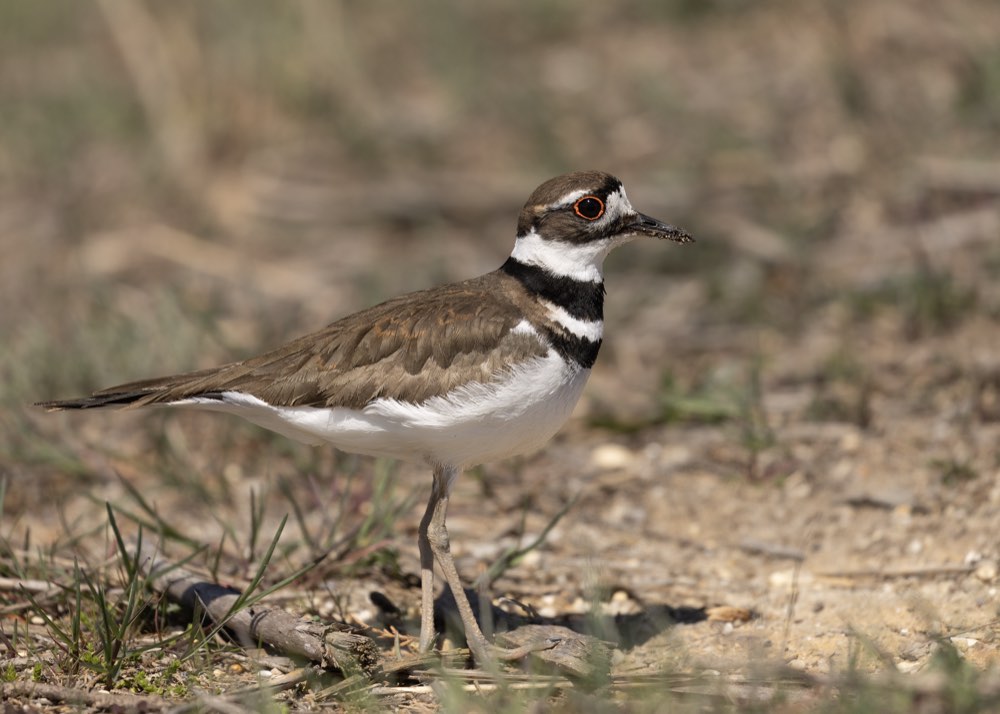
Brown above, white below, with two crisp black bands across the chest, a red eye-ring and a rusty rump. Sexes look alike.
Female
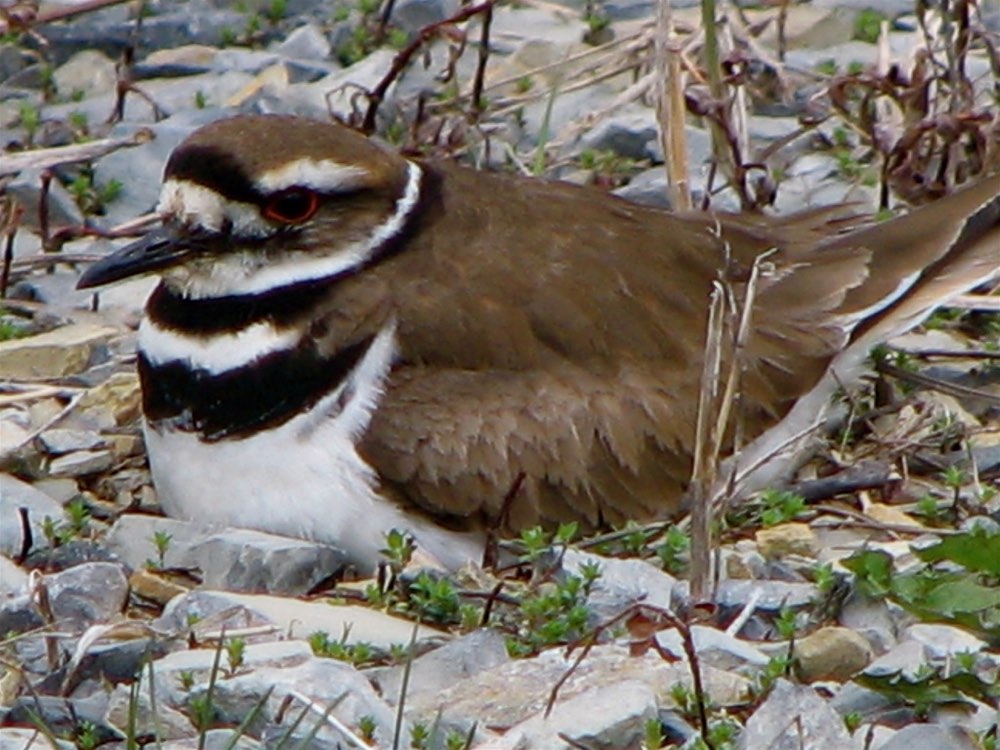
Identical to the male in the field.
Male photo: Charles Homler d/b/a FocusOnWildlife / Wikimedia, CC BY-SA 4.0 · Female photo: Audrey / Wikimedia, CC BY 2.0
Field marks
- Two black bands across a white chest
- Bright orange-rufous rump and tail base, visible in flight
- Red eye-ring on a boldly marked face
- Long legs and a horizontal, running posture
Similar species
What it sounds like
A loud, insistent "kill-deer, kill-deer" and rising "dee-dee-dee", given day and night and often overhead.
Behaviour that gives it away
Lures predators from the nest with a broken-wing display, dragging one wing and calling piteously until the intruder has followed it far enough away.
Habitat & range
Gravel lots, athletic fields, pastures, driveways, mudflats and riverbanks across North America.
When you'll see it
Depending on where in North America you are, it is present all year and a summer visitor that arrives to breed.
What it eats
Insects, earthworms, snails and other invertebrates picked from open ground.
Did you know?
It nests on bare gravel — including parking lots and flat roofs — and defends the eggs by feigning a broken wing to lead intruders away.
Spot one yourself?
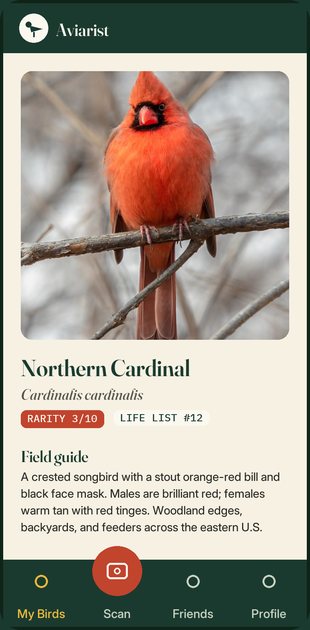
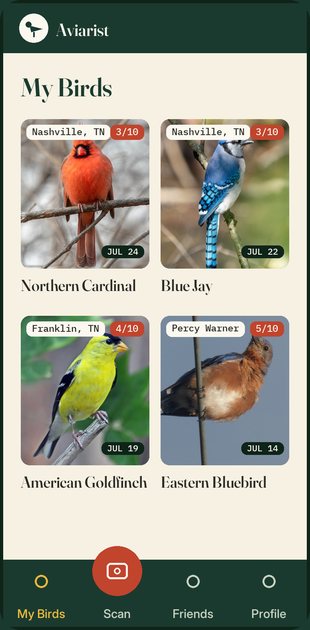
Point your camera at any bird and Aviarist identifies it in seconds — then logs it to your life list.
Get Aviarist on Google Play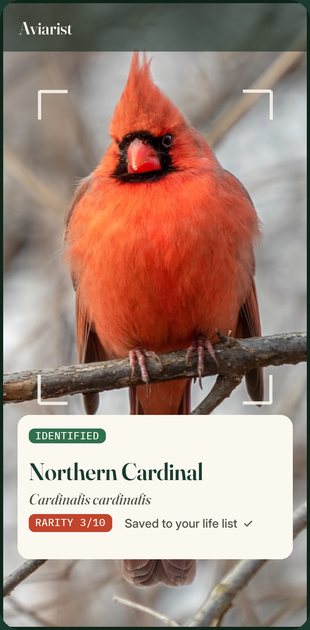
More backyard birds

_-female_on_nest.jpg)
Other apps we make