How to Identify aDark-eyed Junco
Junco hyemalis · 5.5–6.3 in (14–16 cm)
Male vs. female
Male
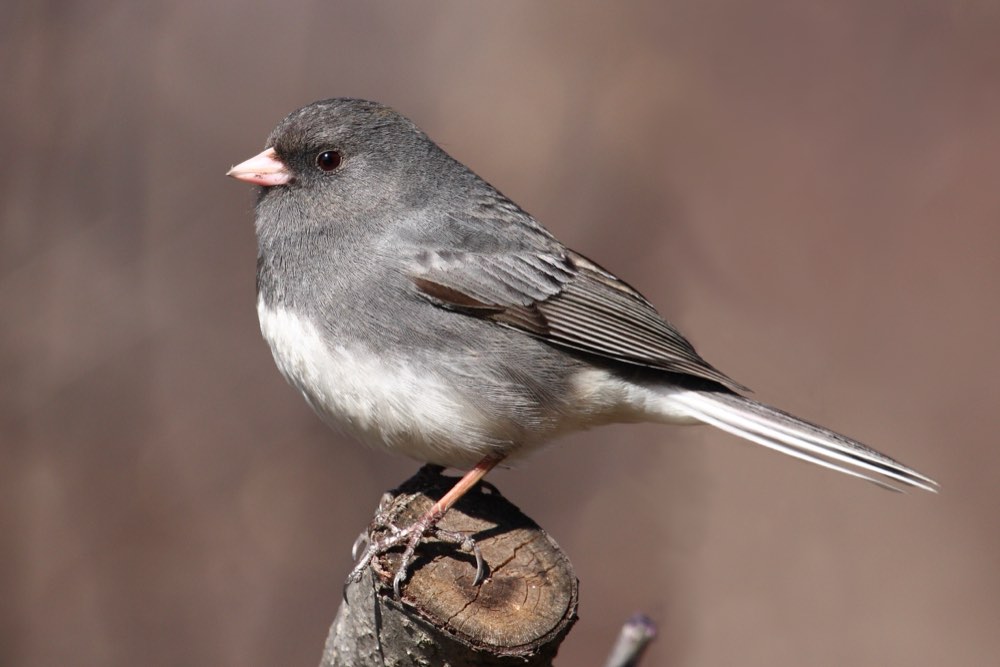
"Slate-colored" form is dark gray with a sharp white belly; a small pink bill and white outer tail feathers.
Female
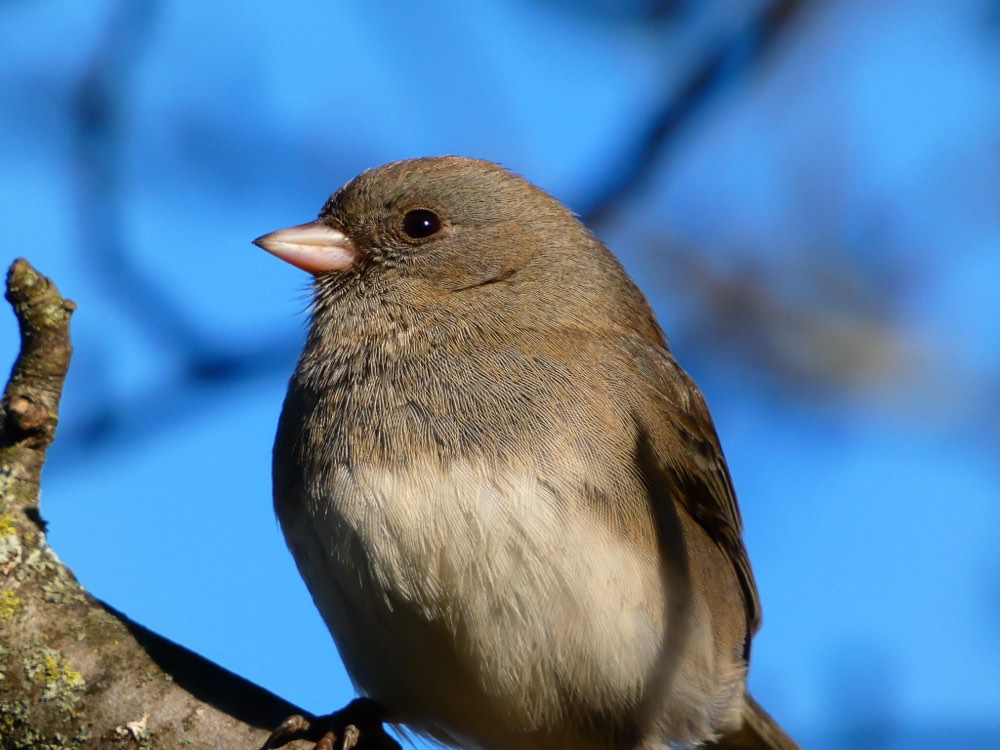
Browner or paler gray than the male but the same clean two-toned pattern.
Male photo: Cephas / Wikimedia, CC BY-SA 3.0 · Second photo: IceuImgflip / Wikimedia, CC BY-SA 4.0
Field marks
- Sharp line between dark hood/back and white belly
- Pale pink conical bill
- Flashing white outer tail feathers in flight
- Ground-foraging with a double-scratch hop
Similar species
What it sounds like
A dry, even, musical trill on one pitch, plus sharp ticking notes from feeding flocks.
Behaviour that gives it away
Feeds on the ground beneath feeders and flashes brilliant white outer tail feathers whenever it flushes.
Habitat & range
Forests in summer; yards, feeders, and brushy edges across the U.S. in winter — the classic "snowbird."
When you'll see it
Depending on where in North America you are, it is present all year and a winter visitor.
What it eats
Seeds on the ground, plus insects in the breeding season.
Did you know?
Juncos come in strikingly different regional forms once considered separate species; they are now one.
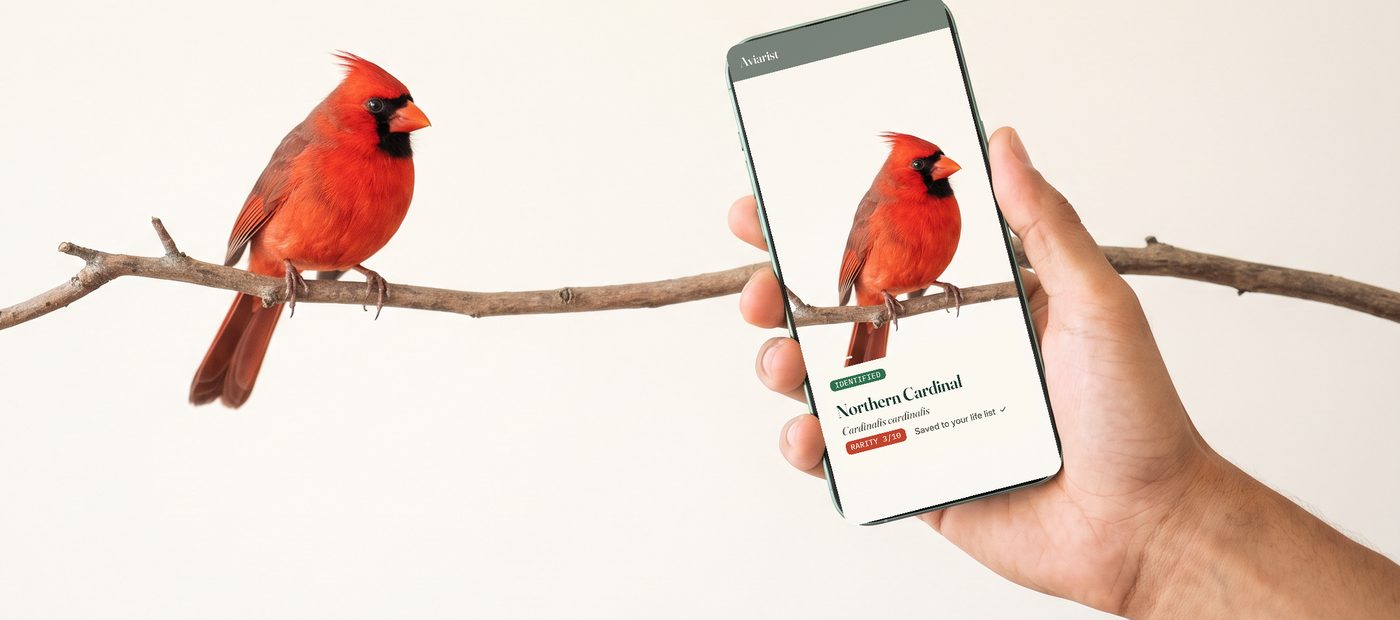
Spot one yourself?
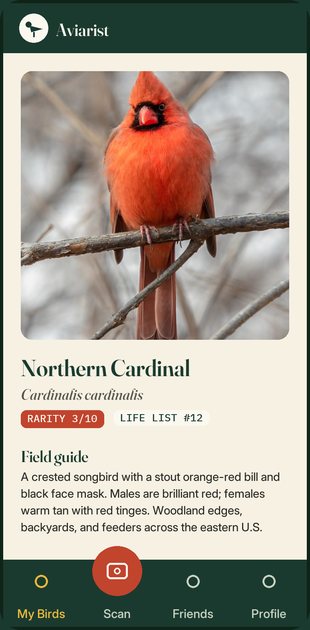
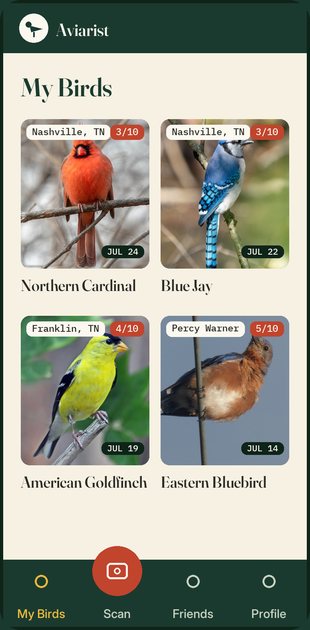
Point your camera at any bird and Aviarist identifies it in seconds — then logs it to your life list.
Get Aviarist on Google Play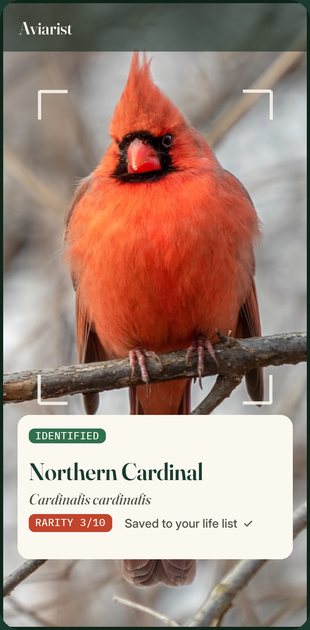
More backyard birds
.jpg)

Other apps we make