How to Identify aGreater Roadrunner
Geococcyx californianus · 20.5–21.3 in (52–54 cm)
Male vs. female
Male
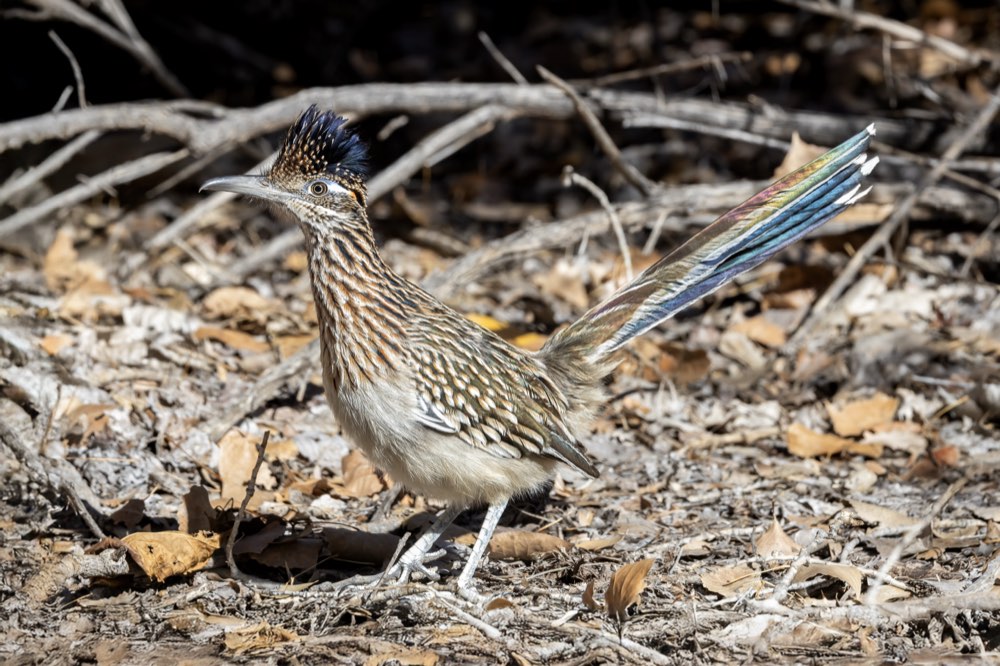
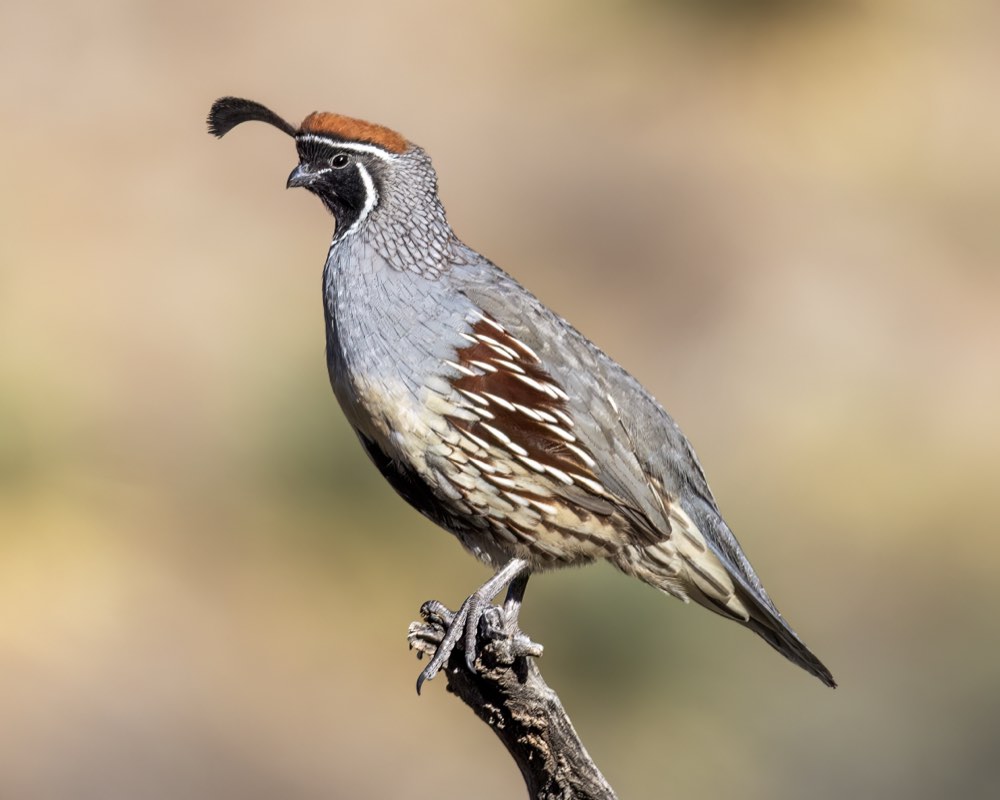
Heavily streaked brown and white with a shaggy black crest, a long tail and a bare blue-and-orange patch behind the eye. Sexes look alike.
Female
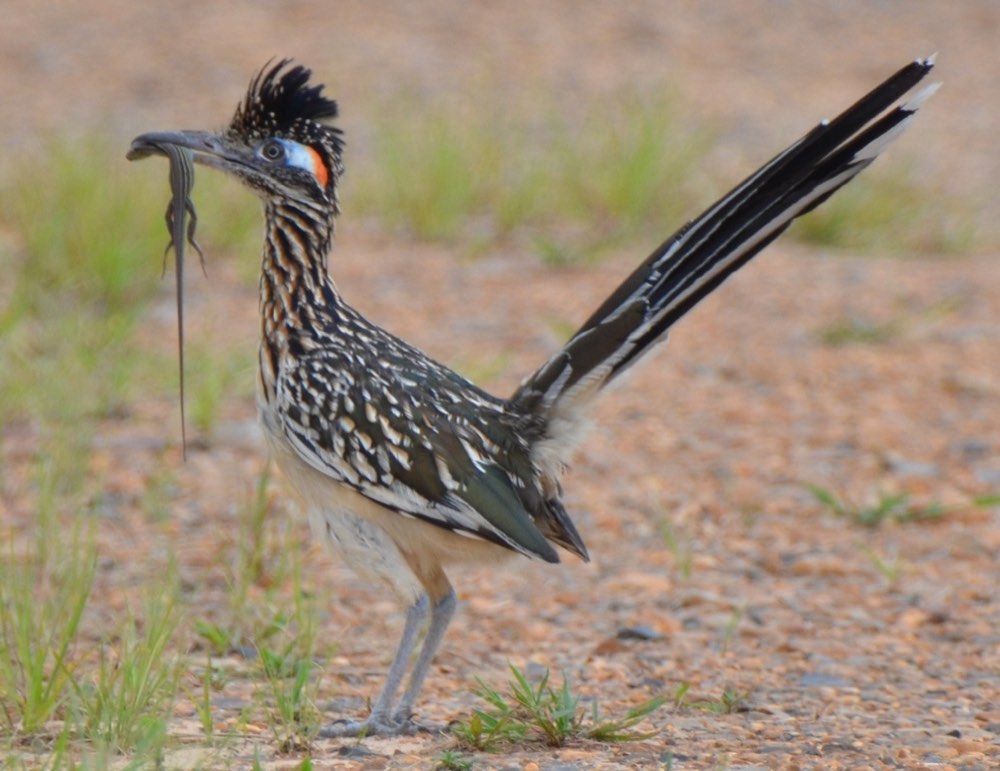
Identical to the male in the field.
Male photo: Polinova / Wikimedia, CC BY-SA 4.0 · Second photo: (c) Jody Shugart, some rights reserved (CC BY) / Wikimedia, CC BY 4.0
Field marks
- Runs rather than flies, at up to 20 mph
- Very long tail often cocked or flicked
- Shaggy ragged crest
- Bare blue and orange skin behind the eye
Similar species
What it sounds like
A descending series of low mournful coos, plus a clattering rattle made with the bill.
Behaviour that gives it away
Kills rattlesnakes and lizards by beating them against rocks, and warms up on cold mornings by exposing a patch of black skin on its back to the sun.
Habitat & range
Desert, scrub, chaparral and open country across the Southwest and southern plains.
When you'll see it
Present all year in southwestern and central North America.
What it eats
Lizards, snakes, insects, rodents, small birds and cactus fruit.
Did you know?
It has a patch of black skin on its back that it exposes to the morning sun, using solar heat to save the energy of warming itself.
Spot one yourself?
Point your camera at any bird and Aviarist identifies it in seconds — then logs it to your life list.
Get Aviarist on Google Play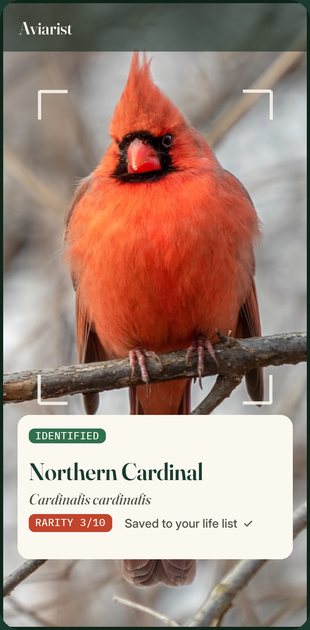
More backyard birds

.jpg)
Other apps we make